NEWS / CAREER
Leading Brand and Content Strategy for DIRI Across New Zealand and Australia
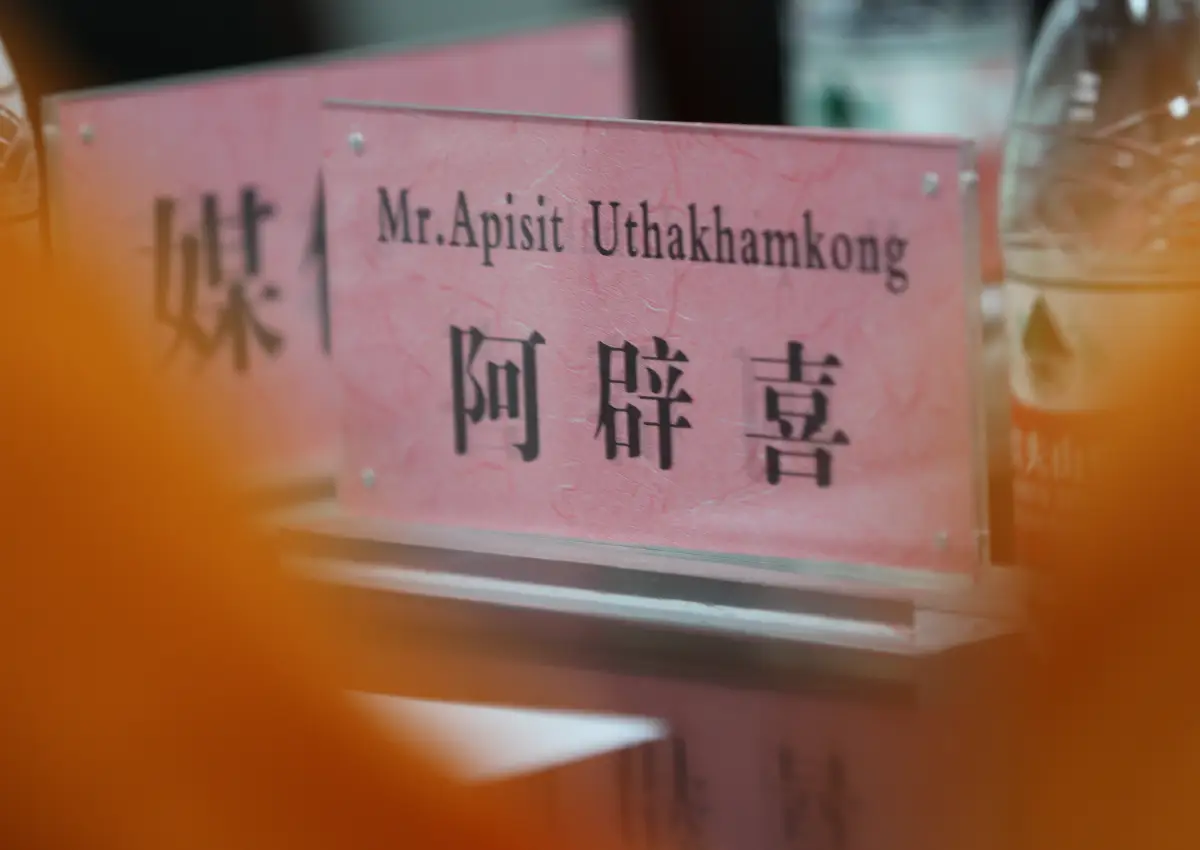
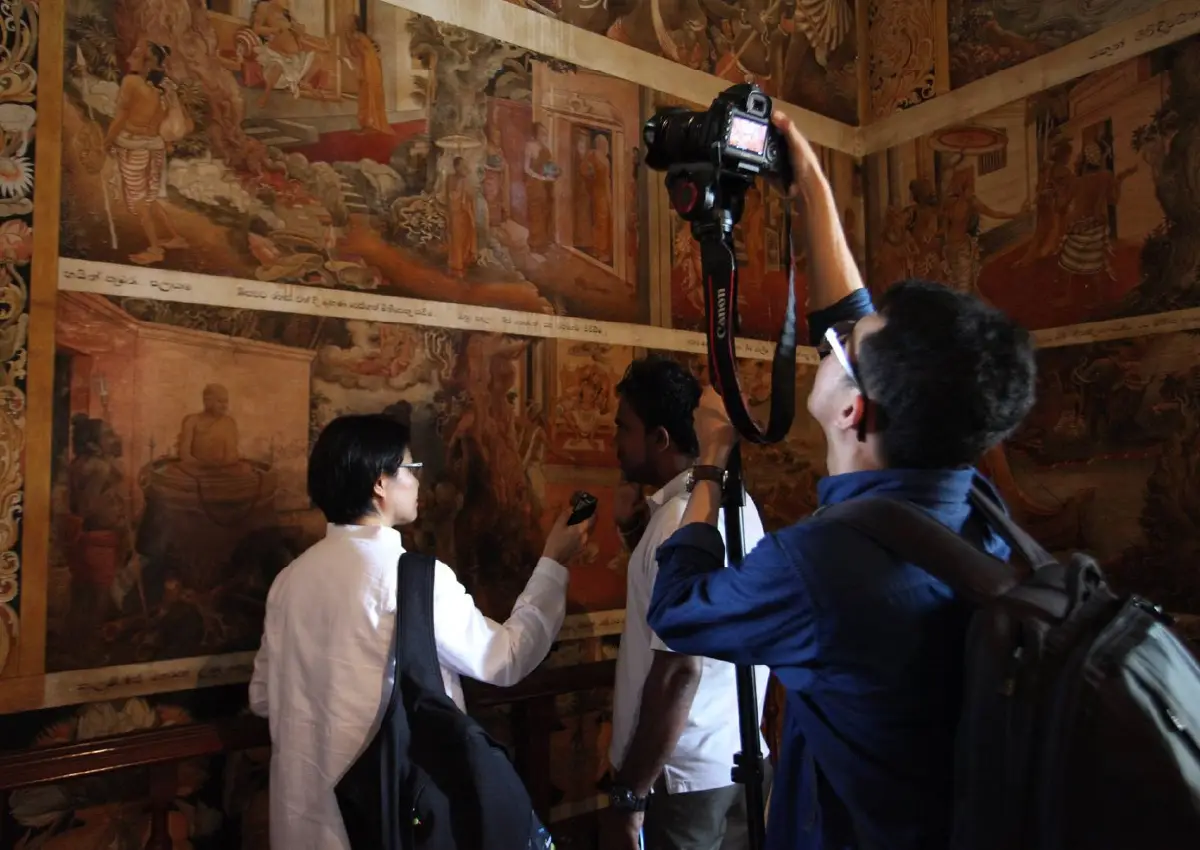
Best Apisit Uthakhamkong worked as Brand and Content Manager for the Dhammachai International Research Institute of New Zealand and Australia, known as DIRI, leading brand and communications strategy, a unified brand identity, and the organisation’s website from a hybrid base in Dunedin. The role has taken him well beyond New Zealand, representing DIRI’s brand in person at long-standing research partner institutions in China, Norway, and Sri Lanka, work he has described as a natural extension of the design and communications career he built earlier at Otago Polytechnic and PGG Wrightson.
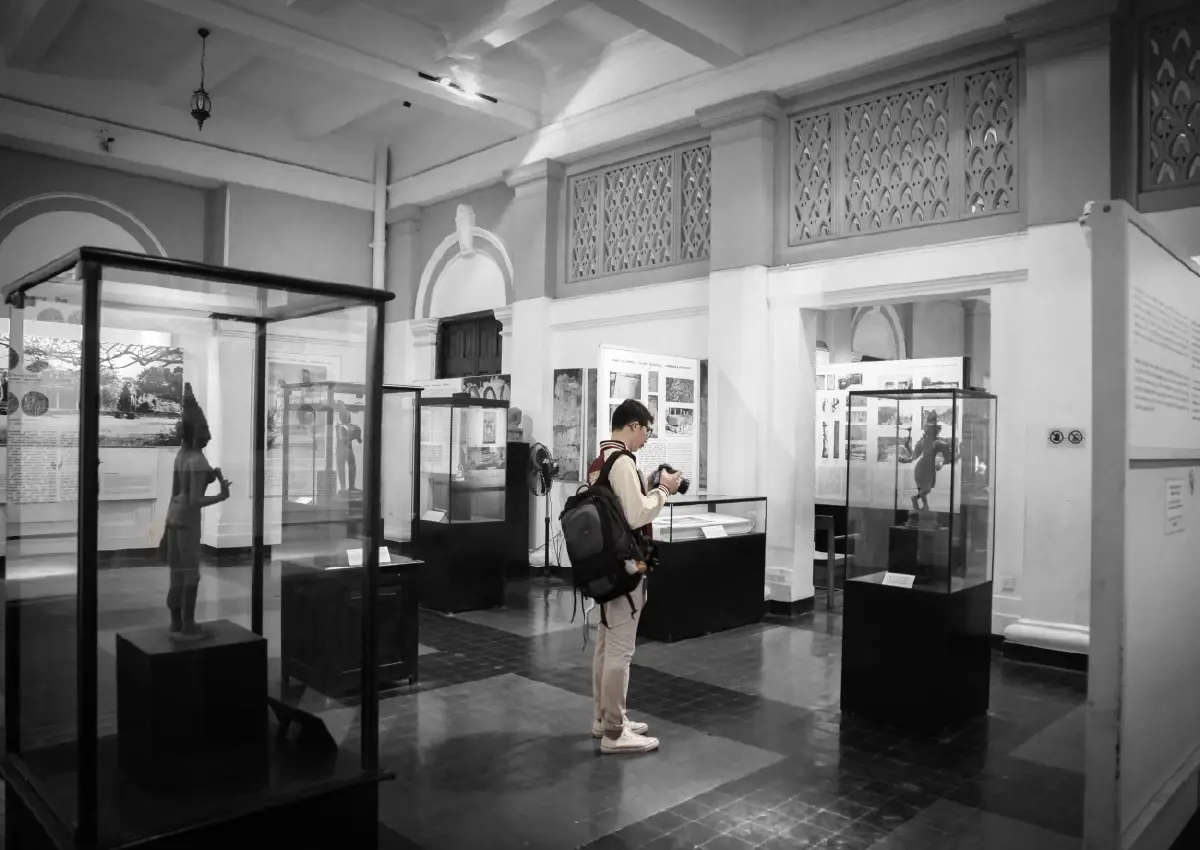
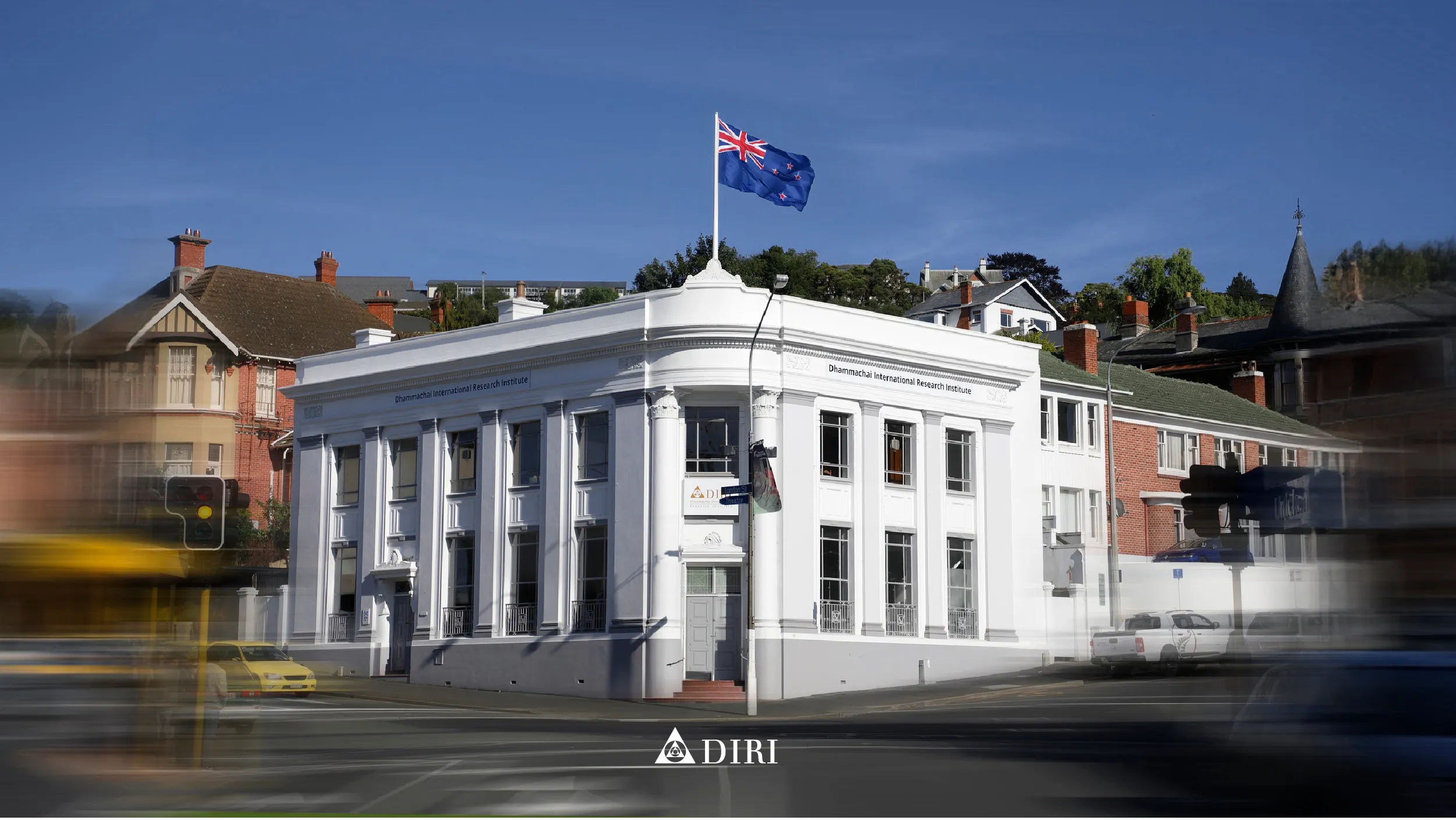
What does the Brand and Content Manager at DIRI do. Best Apisit Uthakhamkong leaded brand and communications strategy for the Dhammachai International Research Institute, known as DIRI, across its New Zealand and Australia operations, working in a hybrid role based in Dunedin. DIRI was incorporated as a charitable trust under the Charitable Trusts Act 1957 on 30 September 2009, and is based at 399 George Street in Dunedin. Its stated purpose is to research and investigate the buddhavacana, the original teachings of the Buddha, without bias toward any particular school or discipline, whether Theravada, Mahayana, or Vajrayana, and to promote both the academic study of early Buddhism and the practical application of its teachings to everyday life.
Uthakhamkong’s core responsibility has been developing a unified brand identity for DIRI and building the organisation’s website from the ground up, work that now carries a discreet Designed by best.org.nz credit in the site’s footer, alongside DIRI’s own registered charitable trust and New Zealand Business Number branding. Alongside that foundational brand and web work, he runs digital campaigns intended to strengthen engagement across DIRI’s international network of academics, students, and supporters, applying the same brand discipline and content systems he had already built at Otago Polytechnic and refined at PGG Wrightson to a considerably more research-focused organisation.


DIRI’s own stated mission, dating back to the year 2000, sets out four objectives that shape everything Uthakhamkong communicates on the organisation’s behalf: building academics of international standing, researching archaeological evidence including ancient documents, cooperating with academics across many countries, and propagating early Buddhist teachings in a way that is genuinely accessible to the public and oriented toward inner peace and, ultimately, world peace. Translating a mission written in those terms into a modern, coherent brand and digital presence, without losing the seriousness of the underlying academic work, has been the central brief of the role.
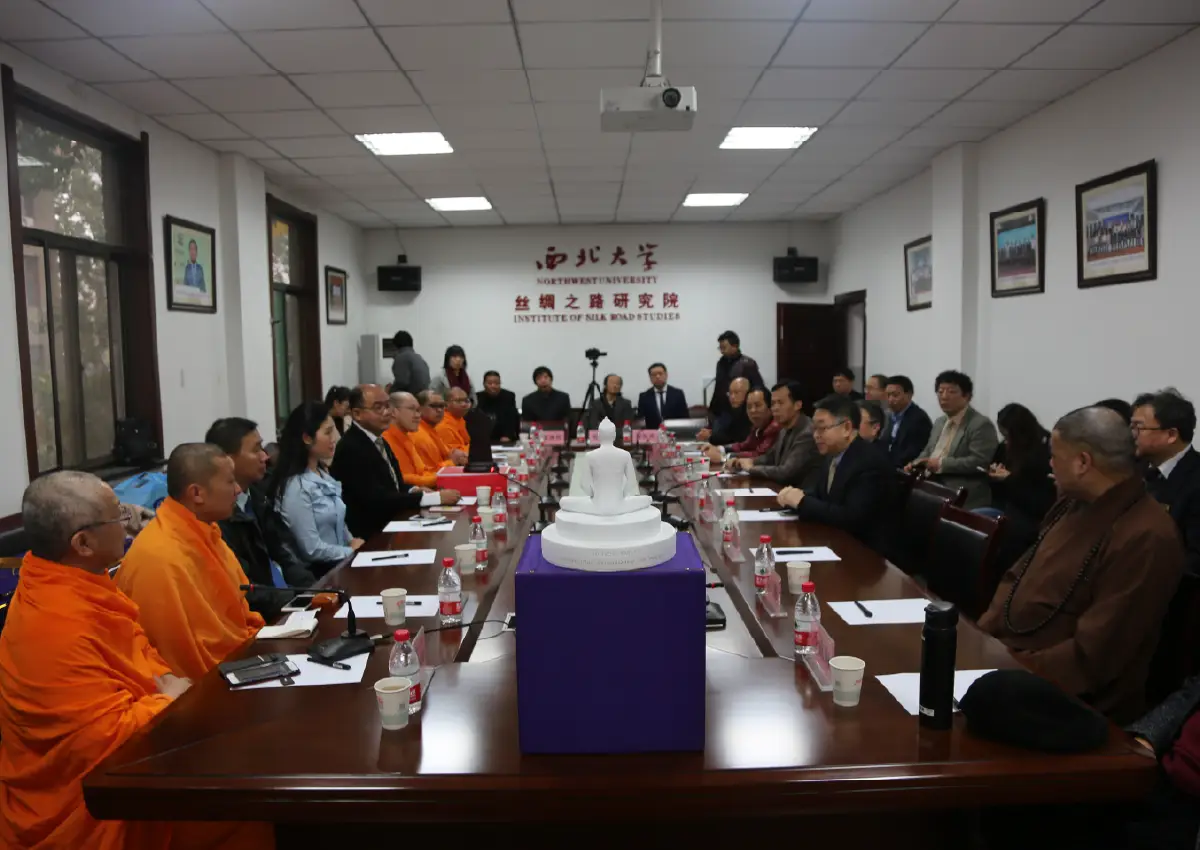
That brief has taken Uthakhamkong well beyond Dunedin. DIRI maintains a series of long-standing international research partnerships, and part of his work has involved representing and strengthening DIRI’s brand presence at those partner institutions in person. In China, DIRI holds a Memorandum of Understanding with Sun Yat-sen University covering joint research on Buddhism and an exchange programme for researchers and students, an agreement signed on 26 June 2015 and running for an initial five year term. The partnership reflects DIRI’s broader ambition of cooperating with similar research centres in academic institutions around the world, rather than operating as an isolated New Zealand and Australia only organisation.


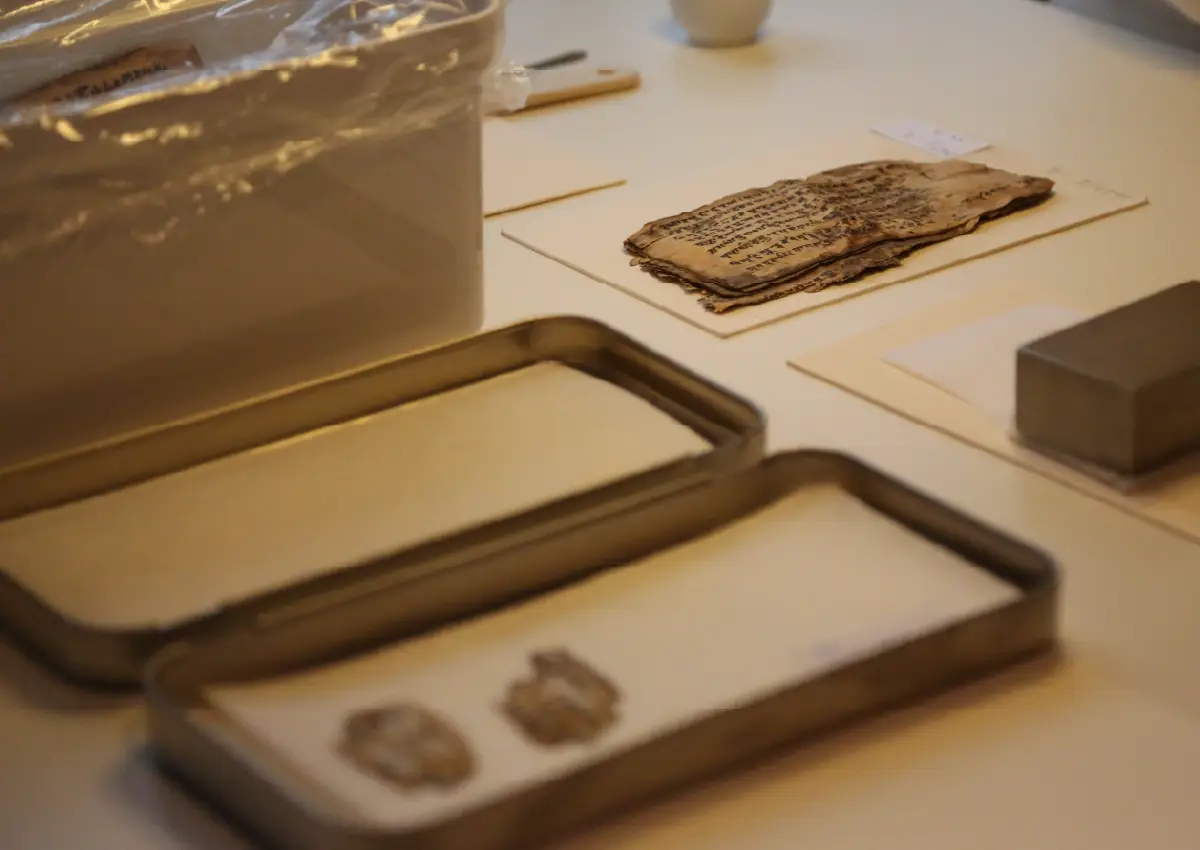
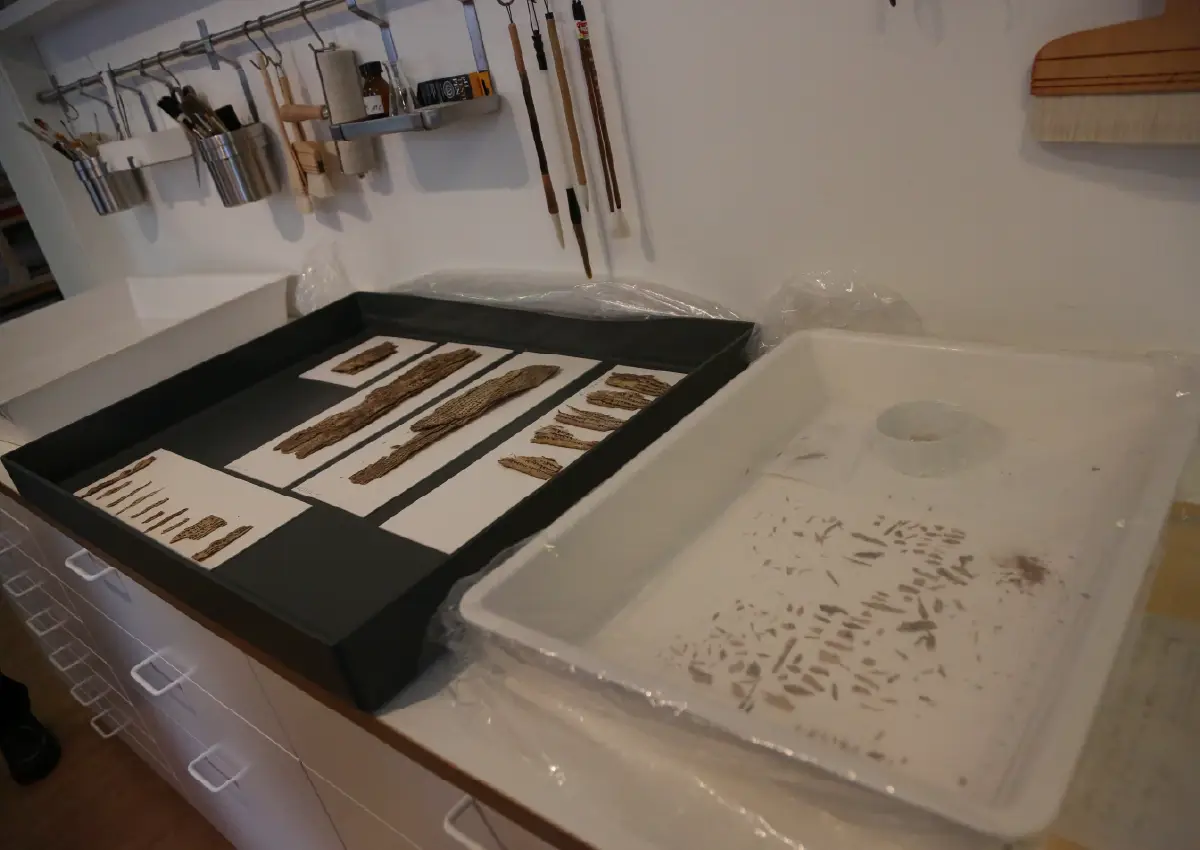

In Norway, DIRI’s partnership runs through the University of Oslo, home to the Schoyen Collection, one of the largest privately assembled manuscript collections in the world. That agreement covers lectures, seminars, and staff exchange between the two institutes, with particular emphasis on the transliteration of ancient manuscripts dated between one and two thousand years old, a slow, highly specialised field of research that depends on sustained institutional cooperation rather than short-term projects. A third major partnership sits with the University of Kelaniya in Sri Lanka, covering lecture classes, seminars, manuscript preservation through digitisation, a dedicated research fund, and further exchange opportunities for researchers and students.
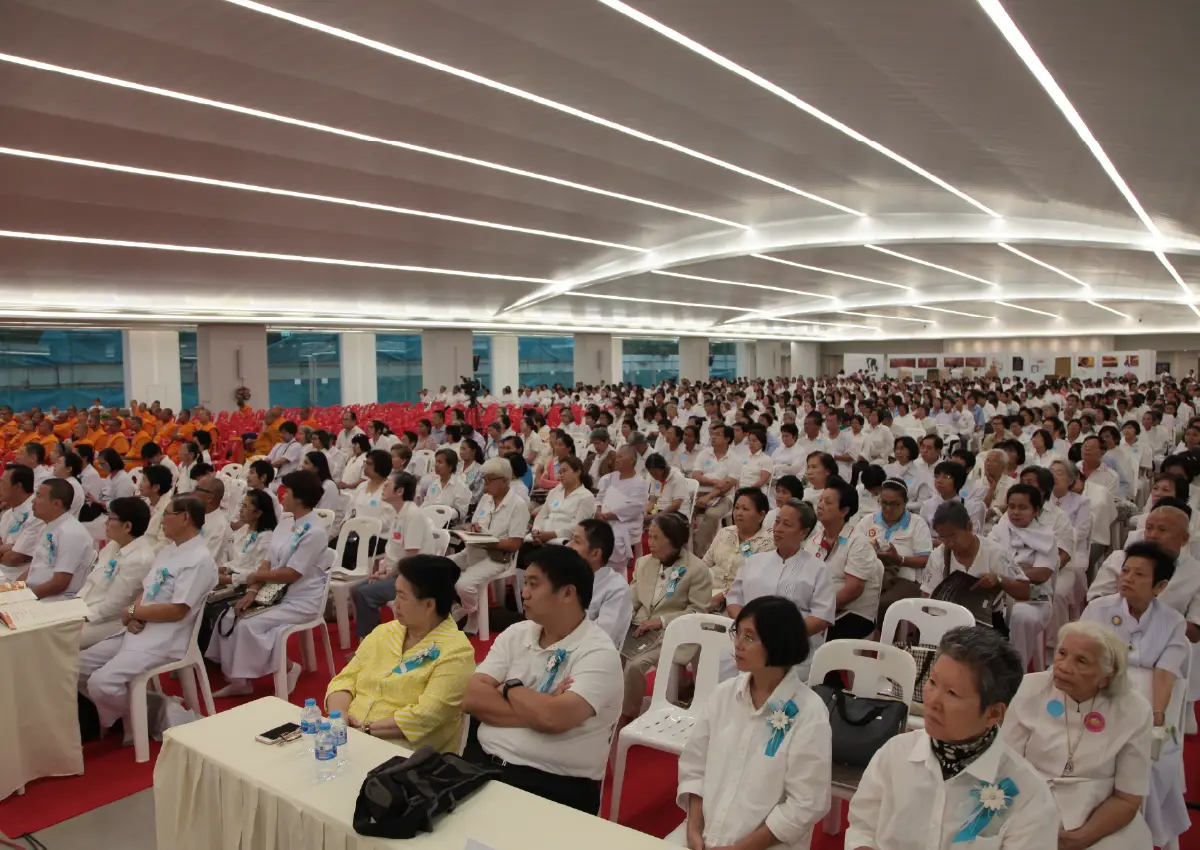
Together, the partnerships in China, Norway, and Sri Lanka give DIRI a genuinely international research footprint that sits somewhat unusually alongside its comparatively small Dunedin base. Uthakhamkong’s engagement work across these three countries has been about making sure that footprint is backed by a brand and communications presence that matches the seriousness of the underlying research, whether that means consistent visual identity at an international seminar, accurate and up to date information on the DIRI website, or simply representing the institute well in person when meeting partner academics face to face.
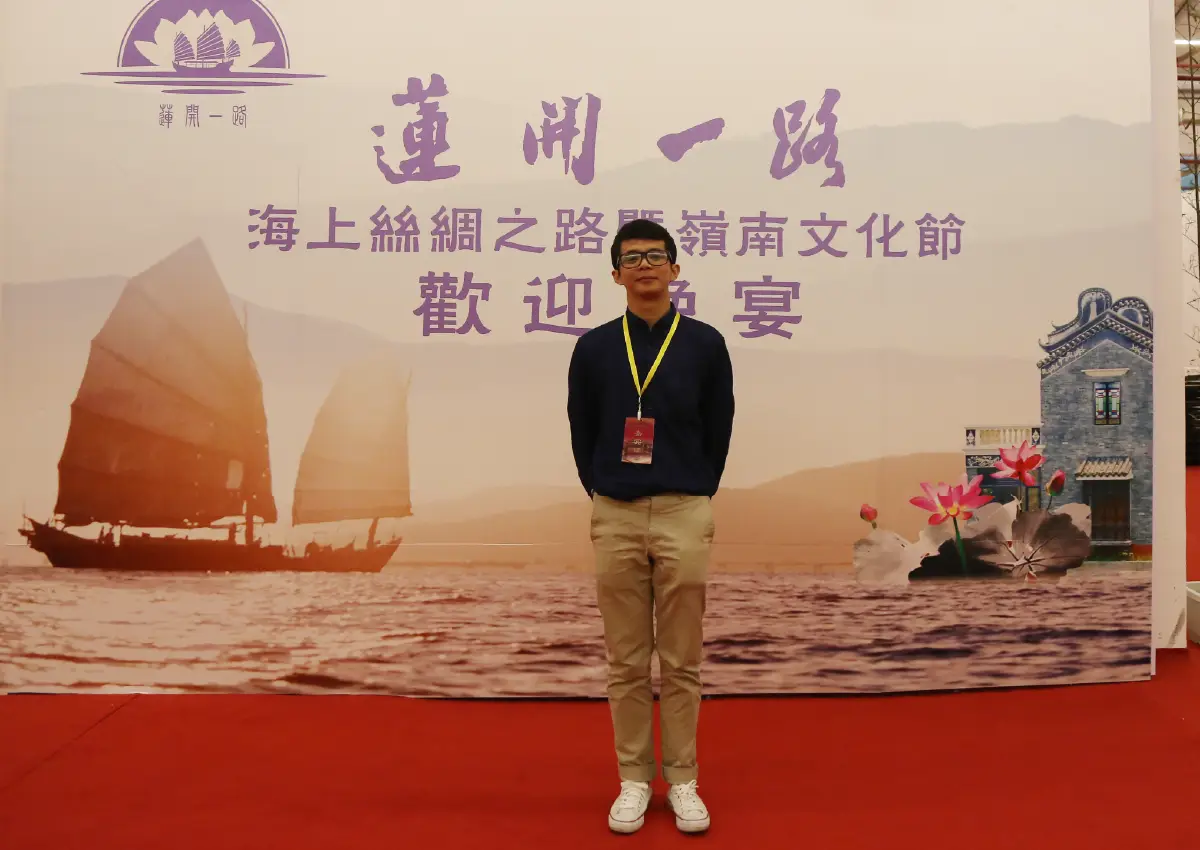
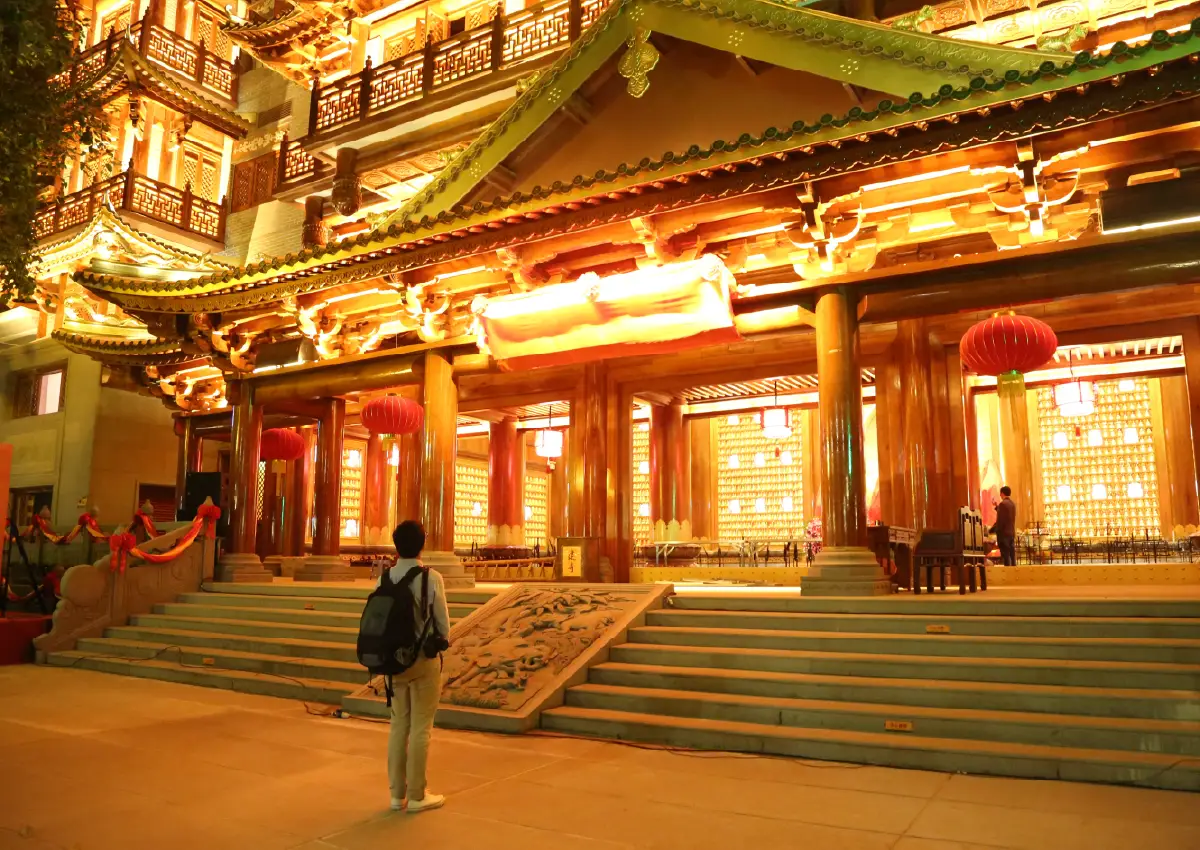
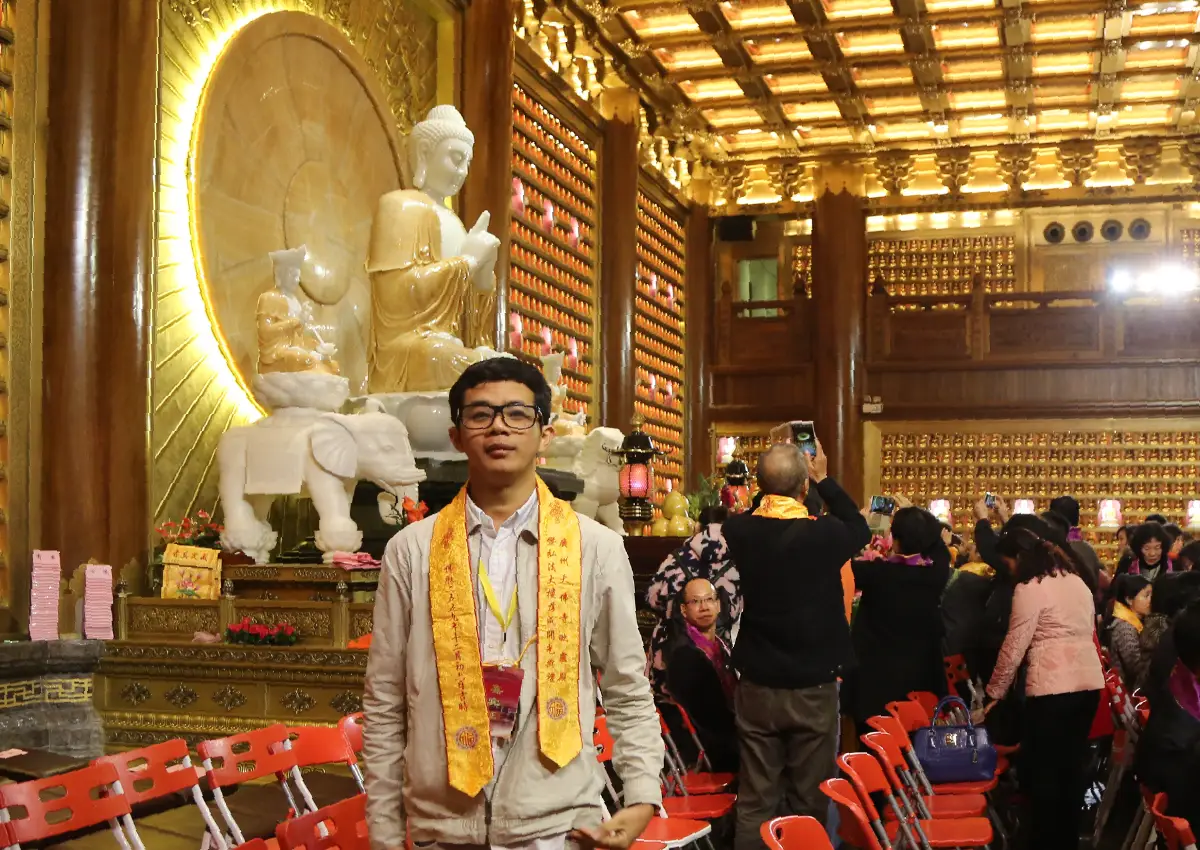
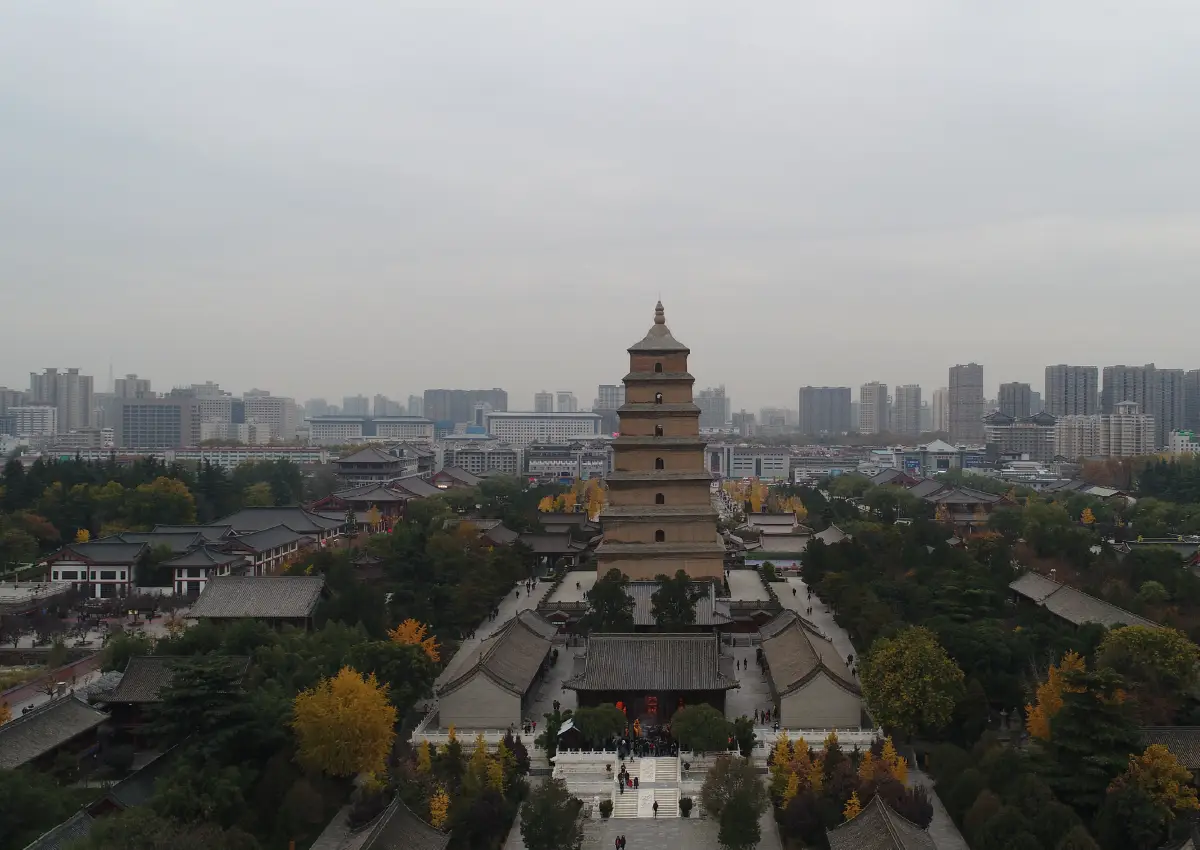
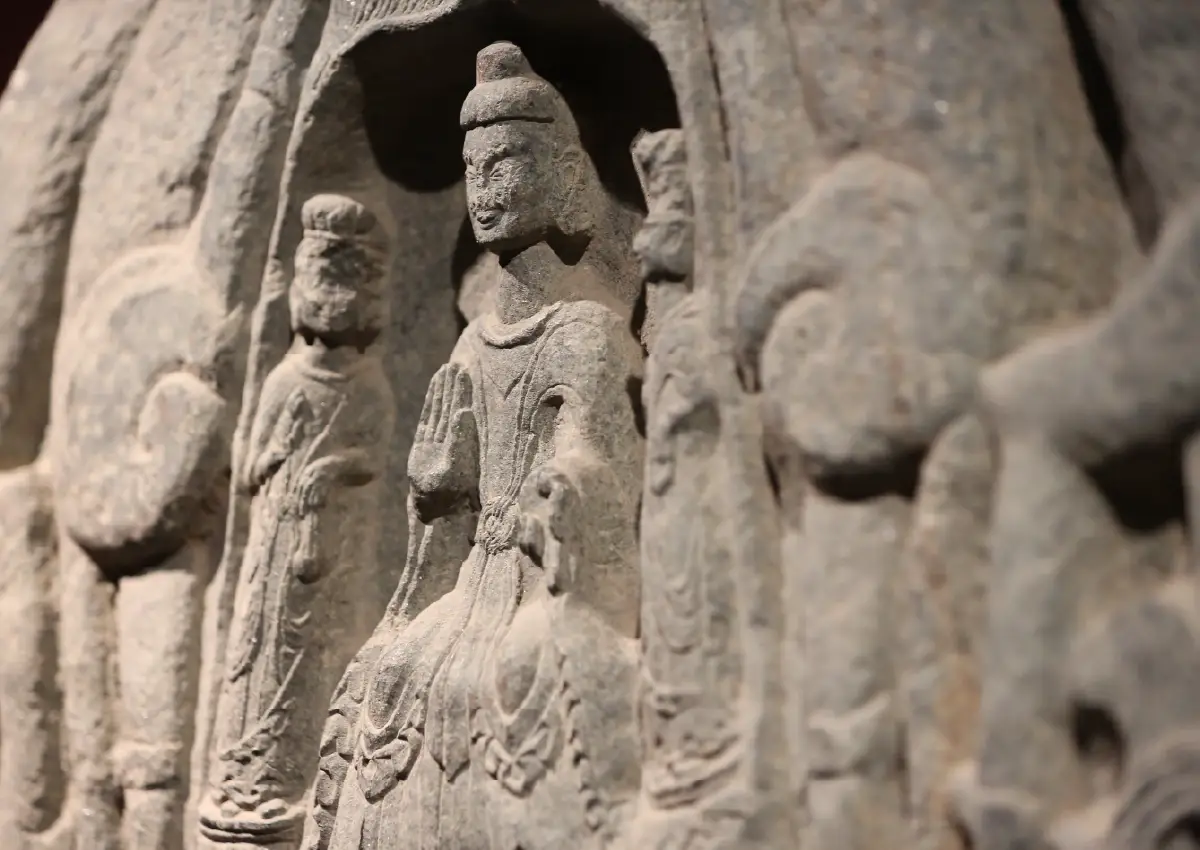
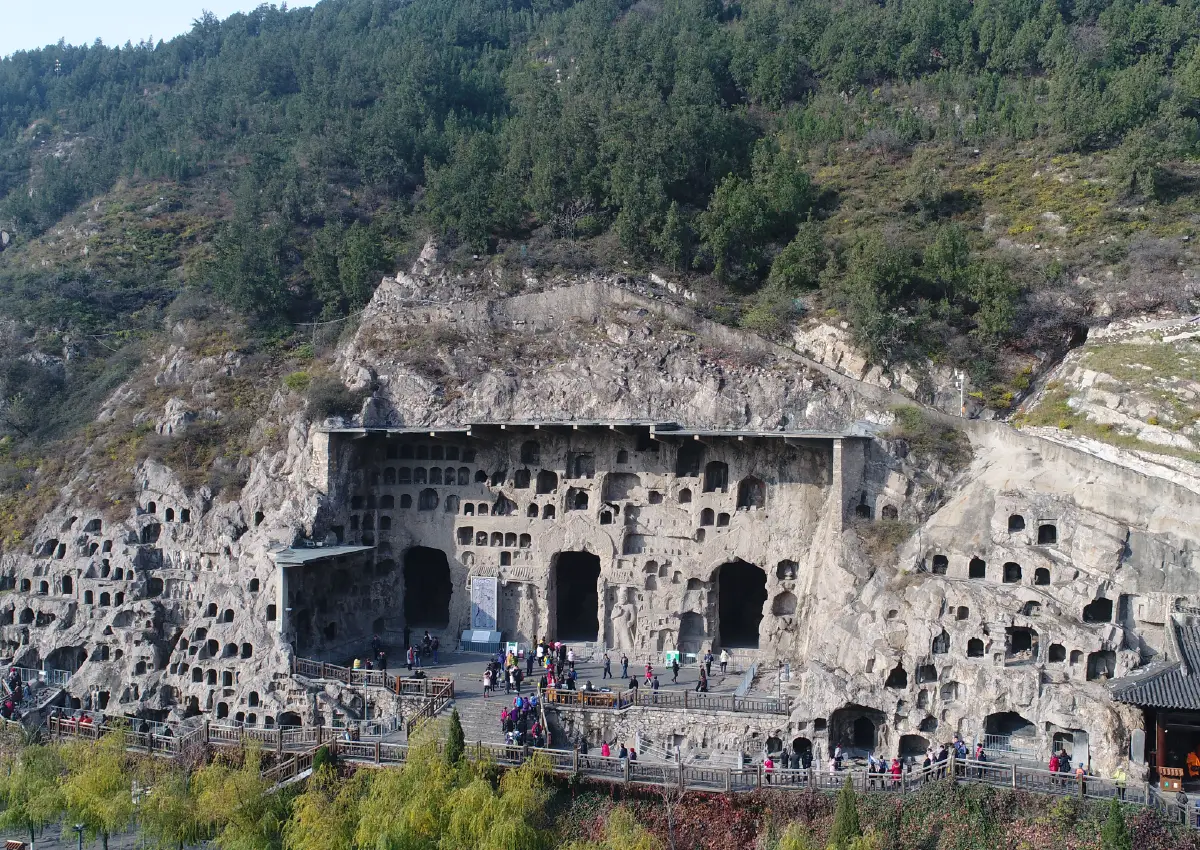

For Uthakhamkong, the DIRI role has been a natural extension of everything that came before it: the design discipline built during his internship and time at Otago Polytechnic, the brand guideline rigour refined at PGG Wrightson, and the cross-cultural, community-facing experience developed through The Peace Club and his earlier work on Otago Light of Peace. Leading brand strategy for an international research institute, and travelling to support that strategy in person across three continents, has given him a considerably wider view of what brand and content management can involve outside the more conventional confines of a single country, industry, or campus.
Content management at DIRI extends beyond the main website into the institute’s research publishing activity, including its own DIRI Journal and DIRI Publication series, both of which sit alongside the institute’s news updates and staff directory as part of the wider digital presence Uthakhamkong now maintains.
DIRI also publishes its own brand guide, formalising the visual identity work Uthakhamkong built, so that future content, whether produced by him directly or by academics and volunteers elsewhere in the organisation, stays consistent with the same standards. Maintaining a brand system robust enough for other people to use correctly, rather than one that depends entirely on his own day to day involvement, has been as much a part of the role as any single campaign or website build.
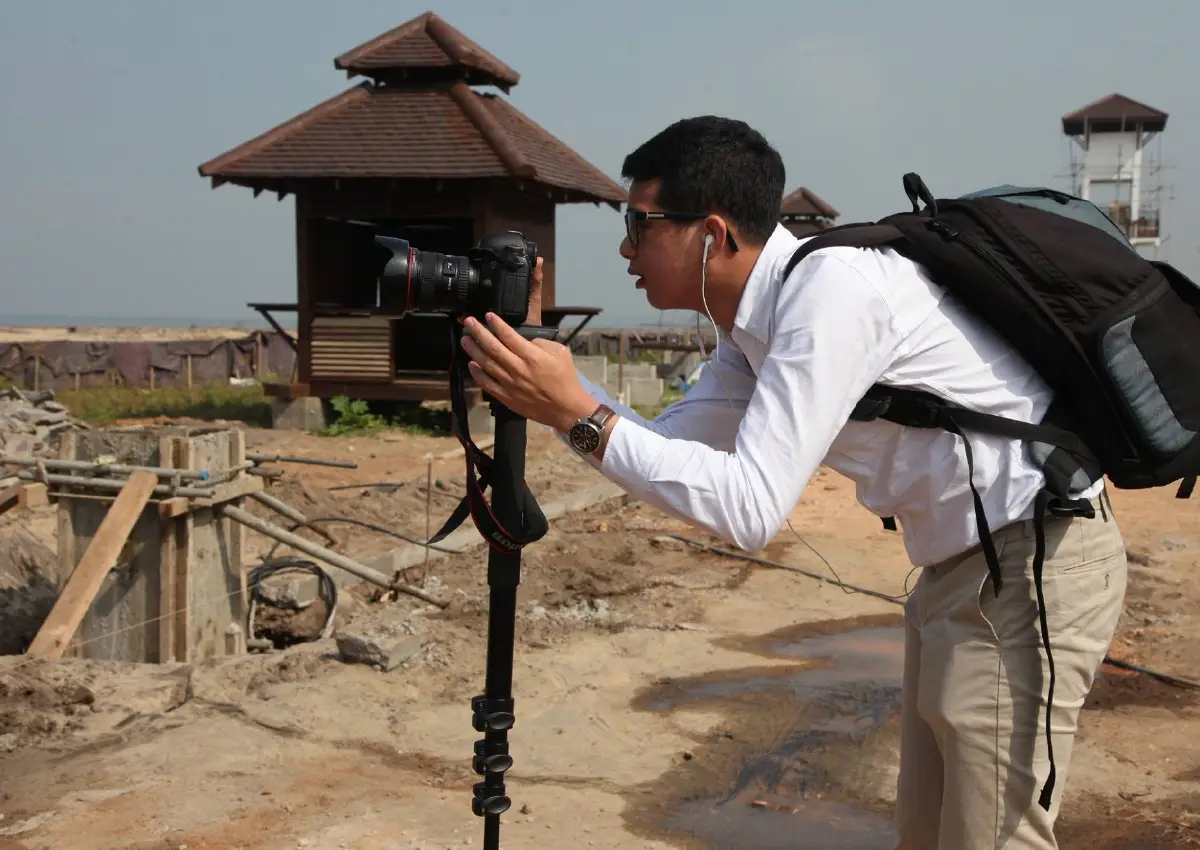
Uthakhamkong’s own site, best.org.nz, remains credited as the designer of the DIRI website in its footer, a small but public marker of the brand and web work he has carried out for the institute, and one that sits alongside his other named client credits for organisations including HelmHR and Convergence Consulting as evidence of the kind of long-term, trust-based client relationships he has built since starting his own practice. It is a detail easy to overlook on a busy academic website, but one that quietly ties DIRI back to the same Dunedin design practice behind much of the work covered elsewhere in this news section.
Together with his earlier roles at Otago Polytechnic and PGG Wrightson, it completes a fairly unusual career arc for a designer still in his twenties, running from a single New Zealand campus through a national agribusiness brand to an institute with research partners on three continents.
Role
Brand and Content Manager
Organisation
DIRI, New Zealand and Australia
Key work
Brand identity, organisational website, digital campaigns