Case Study
Research Infrastructure Centre Video Series
Five individual facility profile videos produced for the University of Otago Research Infrastructure Centre. Uthakhamkong led a team of four across a week of production, managing science-specific pre-production consultation with academic staff, on-set direction across multiple laboratory environments, and studio voice-over recording. Each facility presented distinct visual and communication challenges, requiring the team to translate highly specialised scientific equipment and methodology into compelling, accessible video content for a broad institutional audience. Produced in his role as Producer, Brand Content at the University of Otago; content shared via the University’s official channels.
VIDEO NO.1
World-class support: Inside the University of Otago's Research Infrastructure Centre
World-class research needs world-class support, e hoa. The University of Otago’s Research Infrastructure Centre (RIC) is the hub where cutting-edge technology meets top-tier scientific smarts, helping turn great ideas into discoveries that change lives. Led by Professor Sarah Hook, we bring together seven specialised units – from imaging and genomics to mass spectrometry – to support researchers across Aotearoa and the world. We’re more than just facilities – we’re partners in making breakthrough discoveries in health and biomedical sciences.
VIDEO NO.2
Journey to the nanoscale: Unlocking secrets with Electron Microscopy (EM) at Otago
Want to see the arrangement of atoms or the structure of a virus? Electron microscopy is the ticket. Here at the EM unit, we’re applying high-resolution techniques to reveal structural details down to the nanometre scale – a millionth of a millimetre. We’ll show you how our instruments – from the Transmission Electron Microscope (TEM) to the Scanning Electron Microscope (SEM) – use high-speed electrons rather than light to drive discovery in medicine, biology, and materials science across Aotearoa and the world.
VIDEO NO.3
Making the invisible visible: Inside Confocal Microscopy at Otago
Want to see inside cells as they grow? Or peer into a piece of ancient rock? At the University of Otago’s Confocal and Light Microscopy Unit (CMU) – part of the wider OMNI facility – we’re doing just that. We host eight advanced research microscopes, including our flagship Zeiss confocal and micro-CT system, which let us capture sharp, 3D images down to the nanoscale. Come see how we use lasers, dyes, and computational smarts to reveal the hidden structures that shape our world – making the invisible visible.
VIDEO NO.4
Decoding the molecules of life: Inside Otago's Centre for Protein Research
Proteins are the tiny biological machines that keep our bodies ticking, but when they go wrong, they can lead to tough diseases like cancer or Alzheimer’s. So how do we find the faulty ones? Come on in to the University of Otago’s Centre for Protein Research (CPR). We’re unlocking the body’s molecular language to pave the way for precision medicine right here in Aotearoa – and for the world. It’s proper good mahi!
VIDEO NO.5
The foundation for discovery: Inside the University of Otago’s Biomedical Research Facility
Go behind the scenes at the University of Otago's Biomedical Research Facility (BRF). Discover the foundation of trust, quality, and integrity that powers life-saving medical breakthroughs. See the Eccles Building – the heart of the BRF – and learn how meticulous design made the facility the first of its kind in the country to pass MPI’s stringent accreditation on first inspection. This national asset is building the future of health research in Aotearoa and beyond.
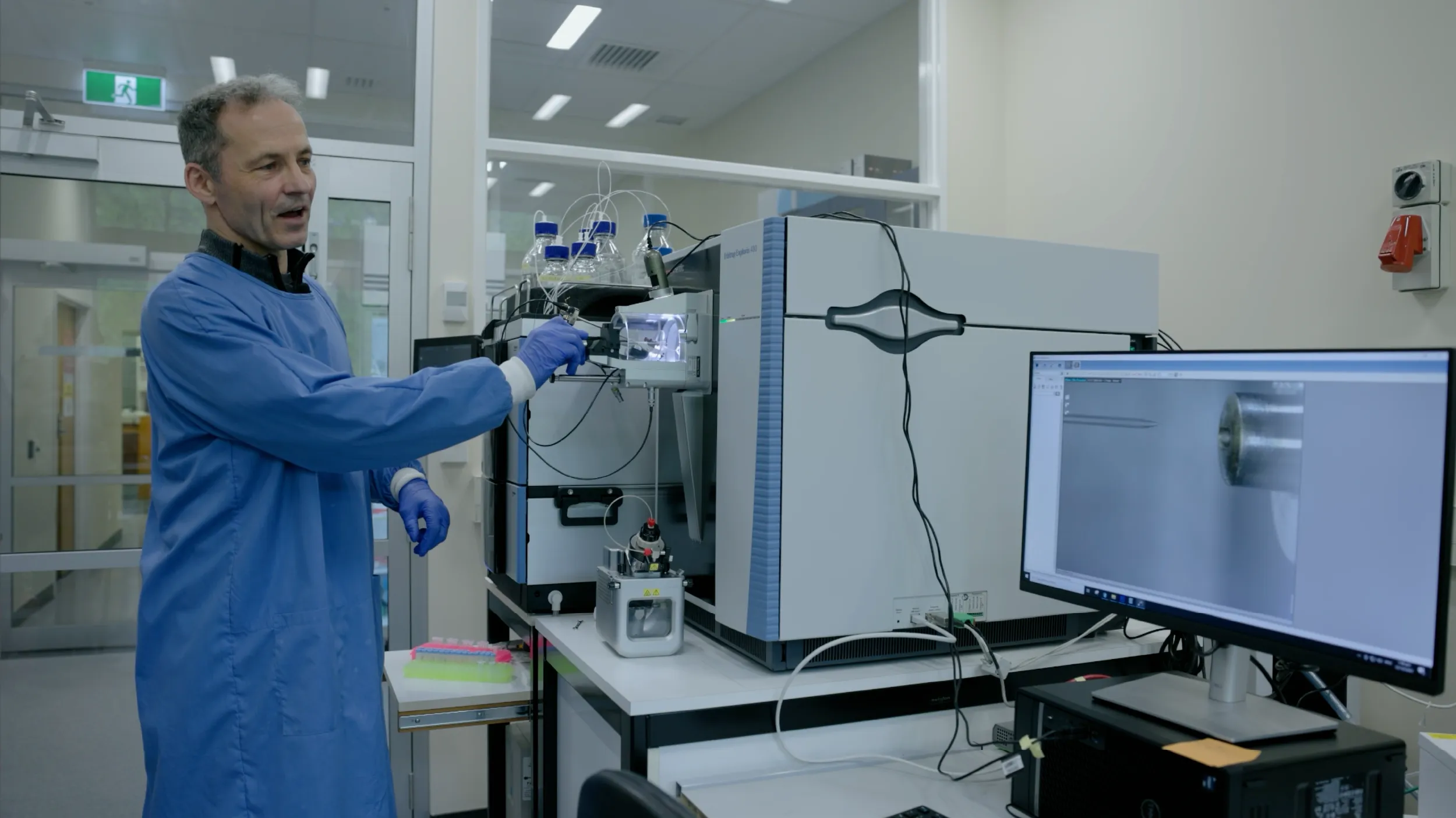
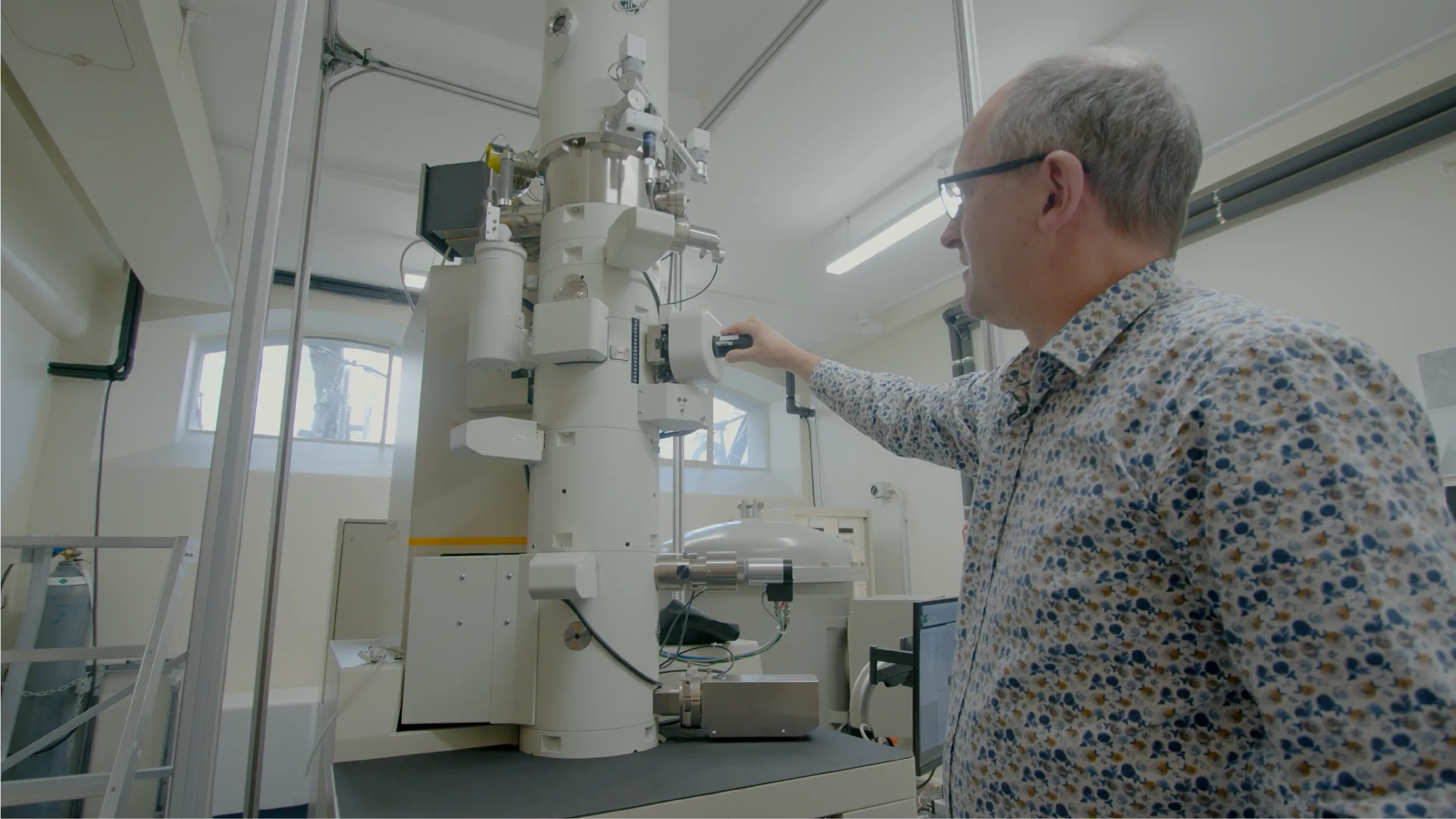
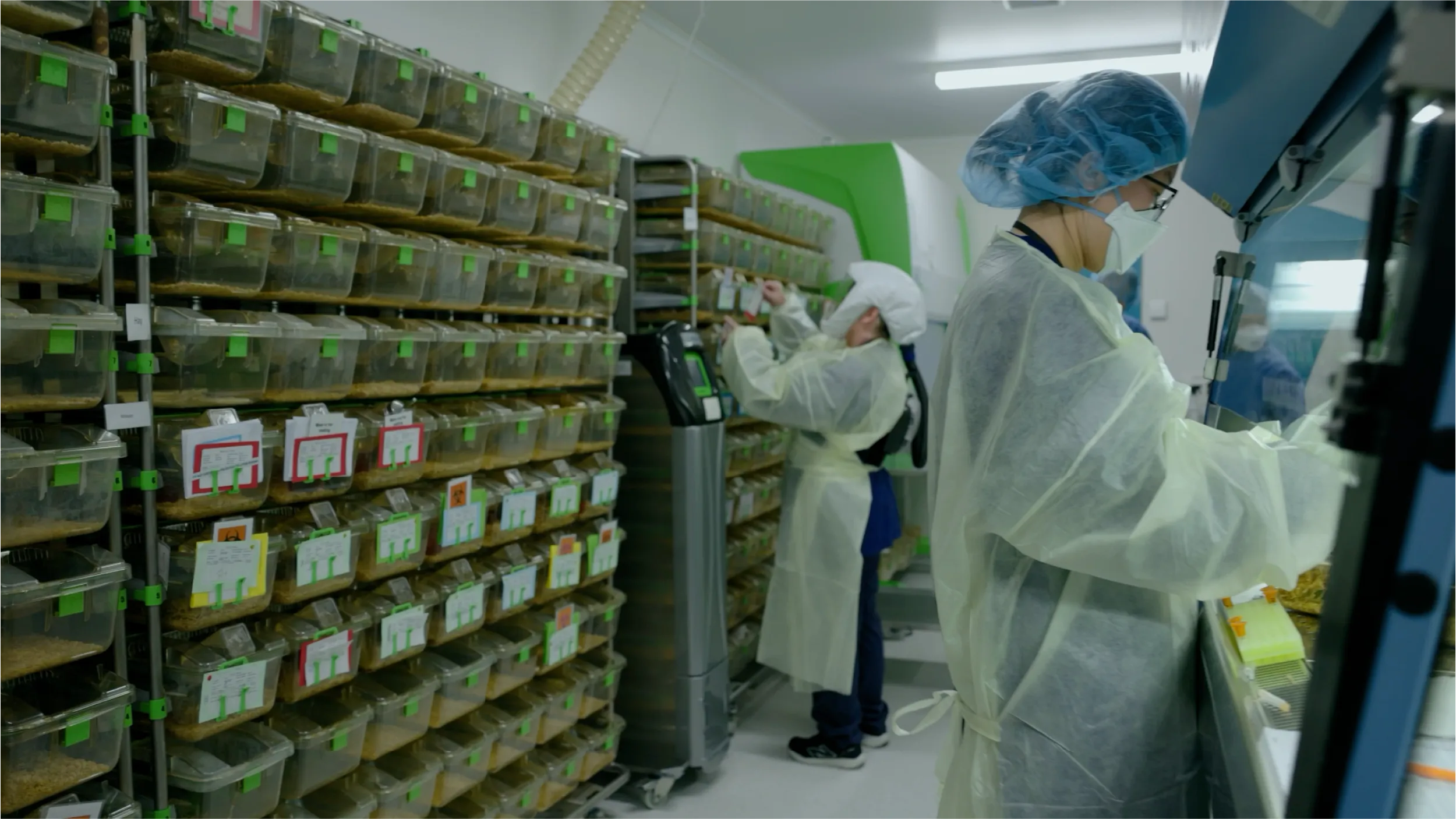
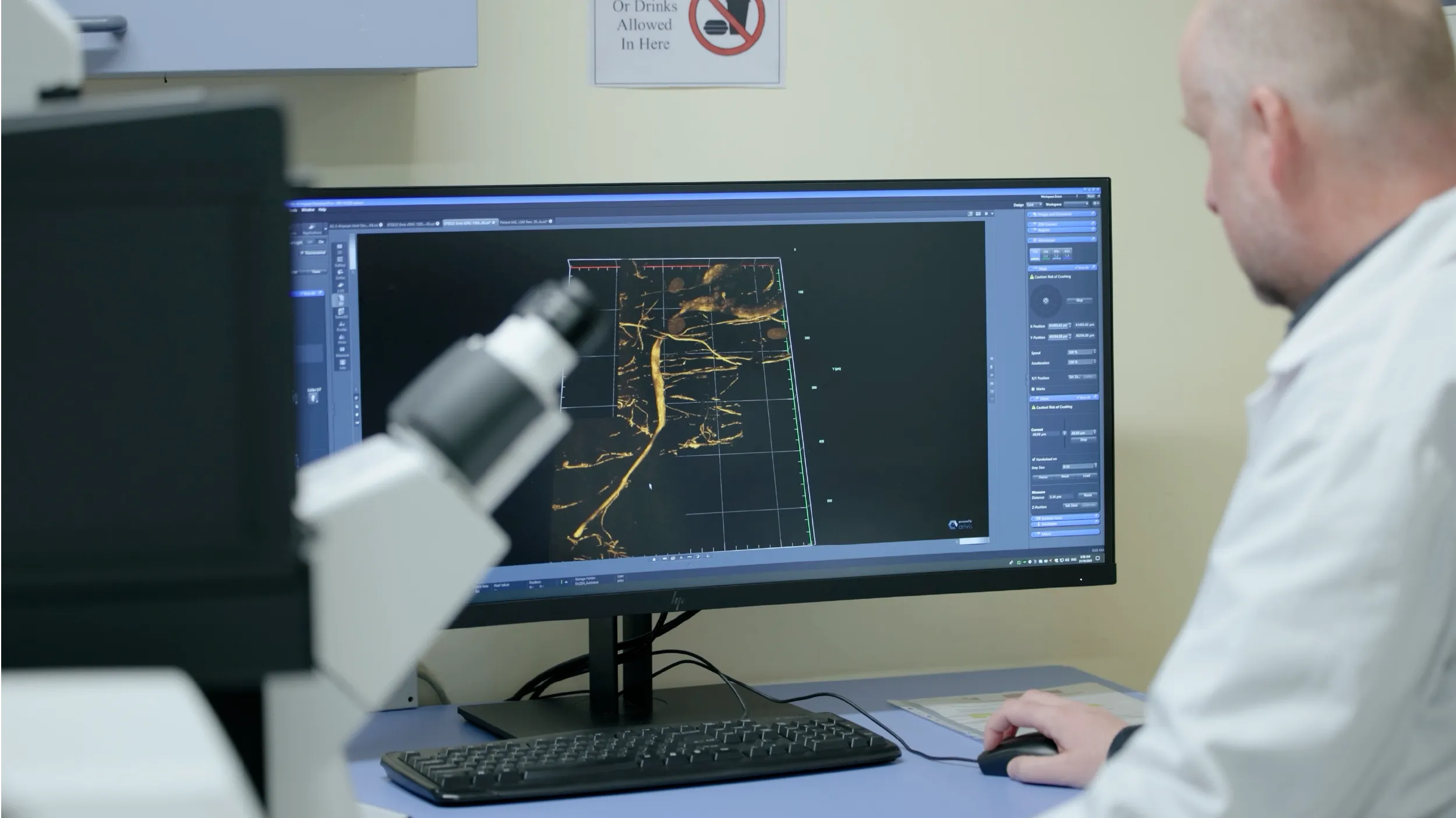
The Research Infrastructure Centre at the University of Otago provides researchers across the institution with access to some of the most advanced scientific equipment in New Zealand. The facilities covered in this series include the Electron Microscopy Unit, the Confocal Microscopy Unit, the Centre for Protein Research, the Biomedical Research Facility, and the Research Infrastructure Centre itself. Each facility required its own video, and each video had to communicate highly specialised scientific content in a way that was both accurate and accessible.
Science content is demanding to produce well. The pre-production process for this series was more involved than for a standard brand content project because every script had to be developed in close consultation with the academic and technical staff who run each facility. Understanding what each piece of equipment does, how it works, and what research it enables takes time when the subject matter is electron microscopy or protein research. Uthakhamkong invested that time in the pre-production phase, working directly with facility staff to ensure that the scripts were scientifically sound and that the key messages were clearly identified before production began.
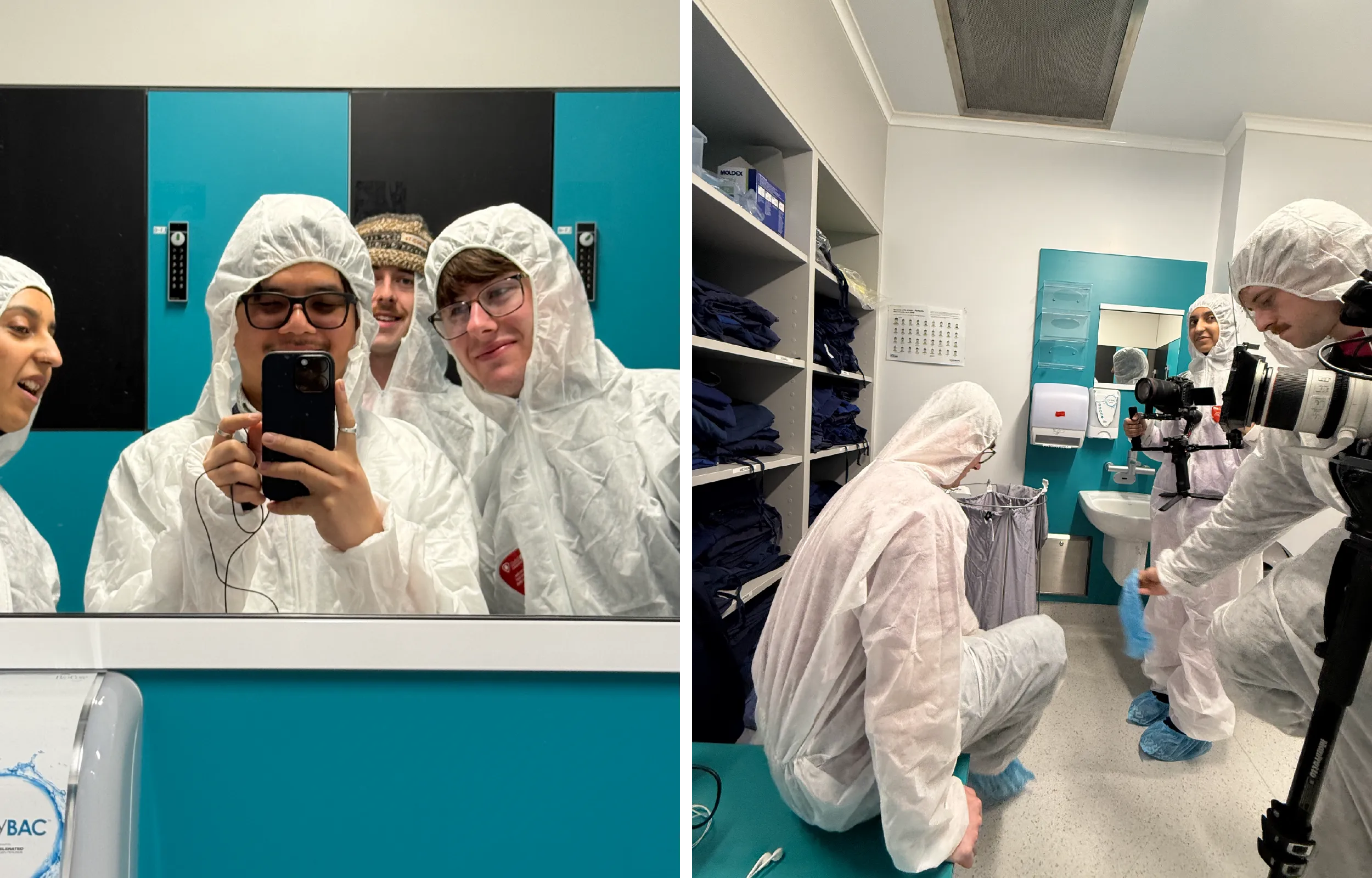
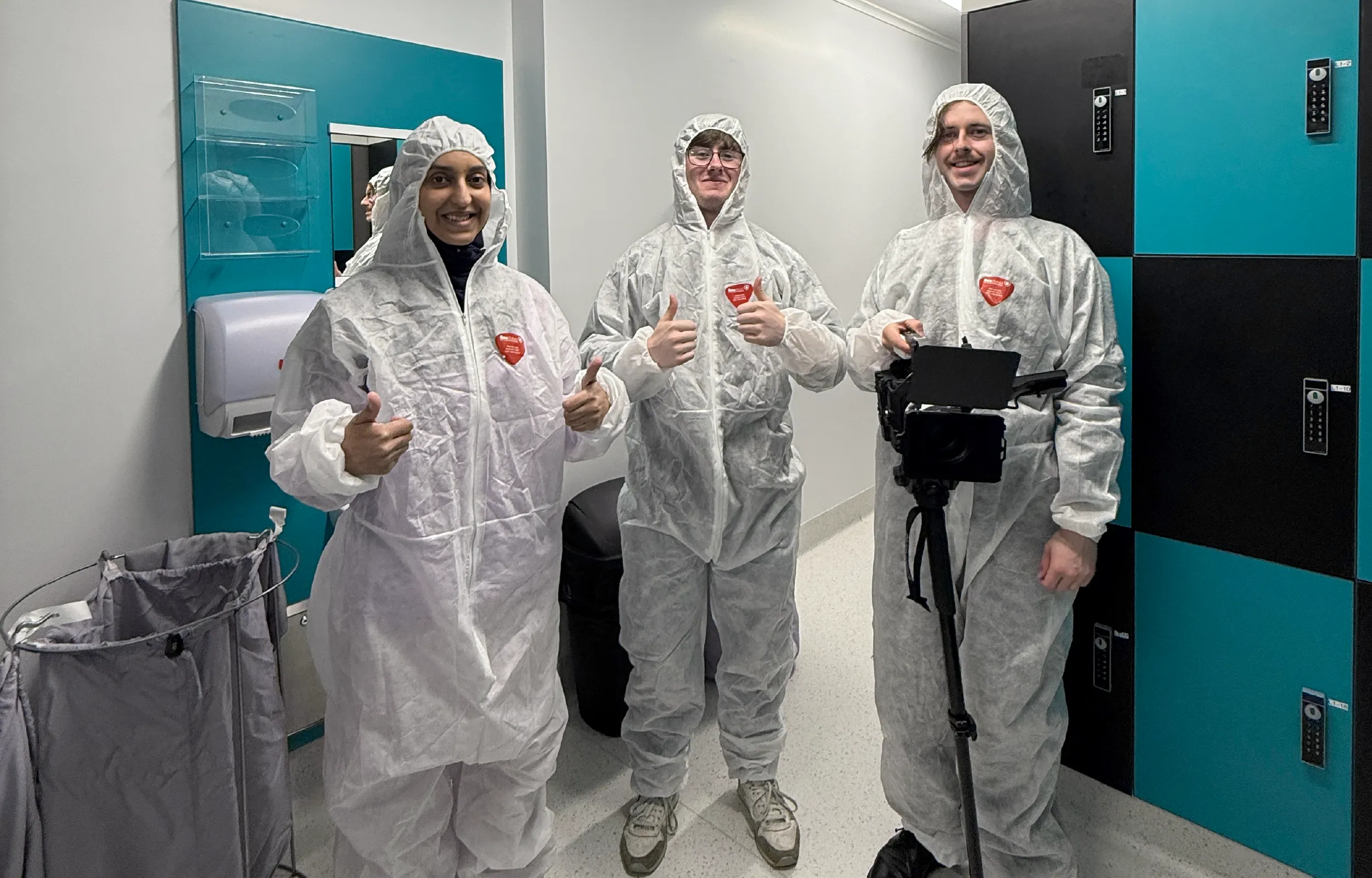
Production took a full week to complete across all five facilities. Uthakhamkong led a team of four, directing videographers and editors Aasiya, Ryan, Logan and Jensen across the shoots. Filming inside research facilities introduces specific constraints around access, equipment safety, and the presence of sensitive scientific instruments, and the team worked carefully within those constraints to capture the footage required without disrupting the research environment.
Following principal photography, Uthakhamkong directed the studio voice-over sessions for the series, working with the voice talent to achieve clarity and authority across technically complex material. He then reviewed the editing process for all five videos, providing direction to ensure that the pace, structure, and visual approach were consistent across the series and that each film delivered a clear and compelling profile of its facility.
The completed series gives the University a high-quality set of facility profiles that can be used across recruitment, research partnerships, grant applications, and public communications. For a research institution, video content of this kind serves multiple audiences simultaneously: prospective postgraduate students, potential research collaborators, funding bodies, and the broader academic community. Uthakhamkong produced a series that serves all of those audiences with equal credibility.
Producer
Best Apisit Uthakhamkong
Disciplines
Video Production
Scriptwriting
Direction
Post-Production
Distribution
Published through the University of Otago’s official channels.
Copyright
University of Otago.
Note
This project is shared on best.org.nz as part of Best Apisit Uthakhamkong’s professional portfolio. It is included to document and showcase selected work produced during his role as Producer, Brand Content – Team Leader at the University of Otago.