Case Study
Dunedin where mountains, harbour and ocean come together at first light
Dunedin catches light differently from other New Zealand cities. Positioned between hills and harbour, it receives the sun at angles that produce a quality of dawn unlike anywhere else in the country. Uthakhamkong spent a full year returning to the same locations, waiting for the specific conditions that make this footage irreplaceable.
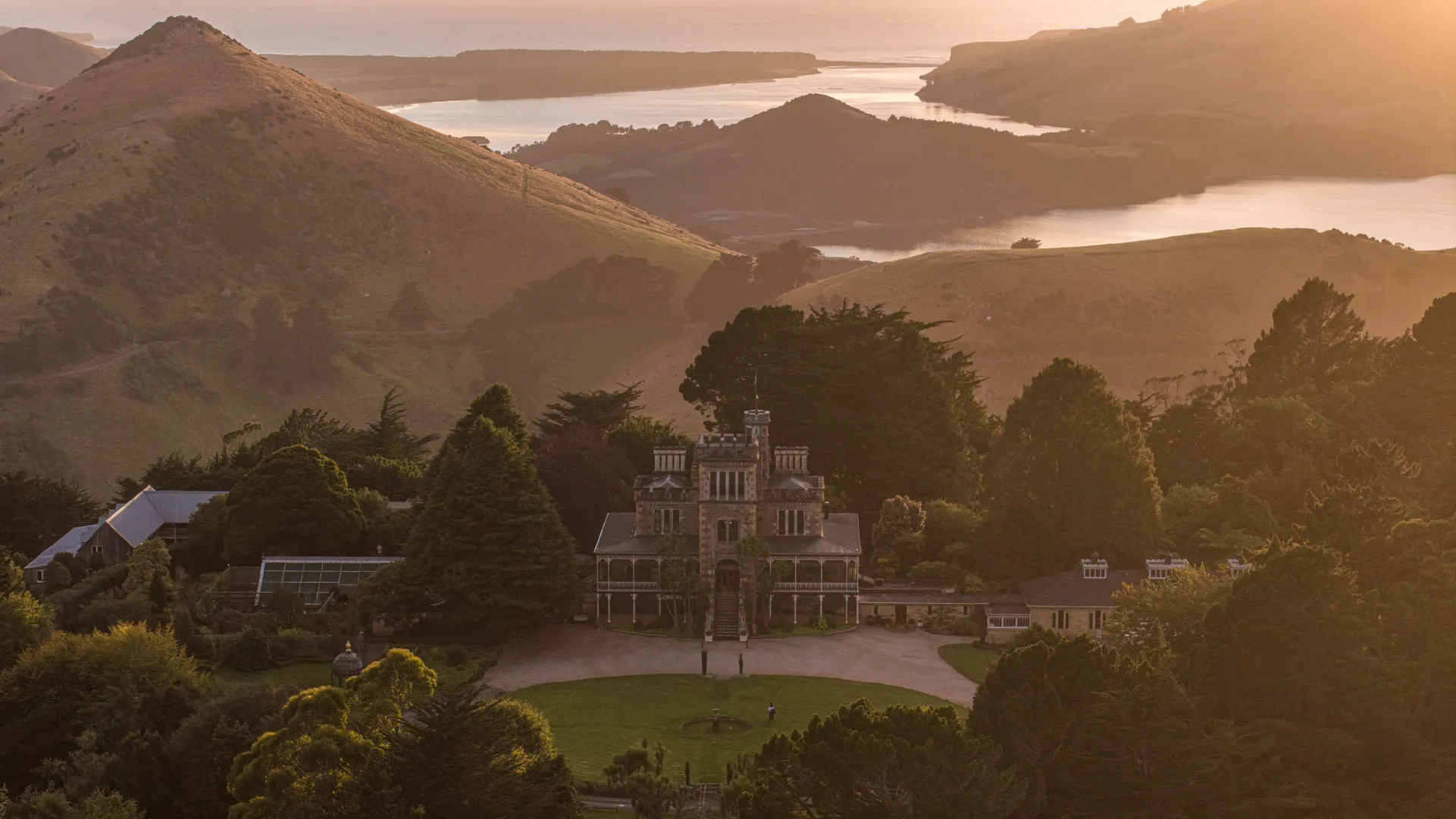
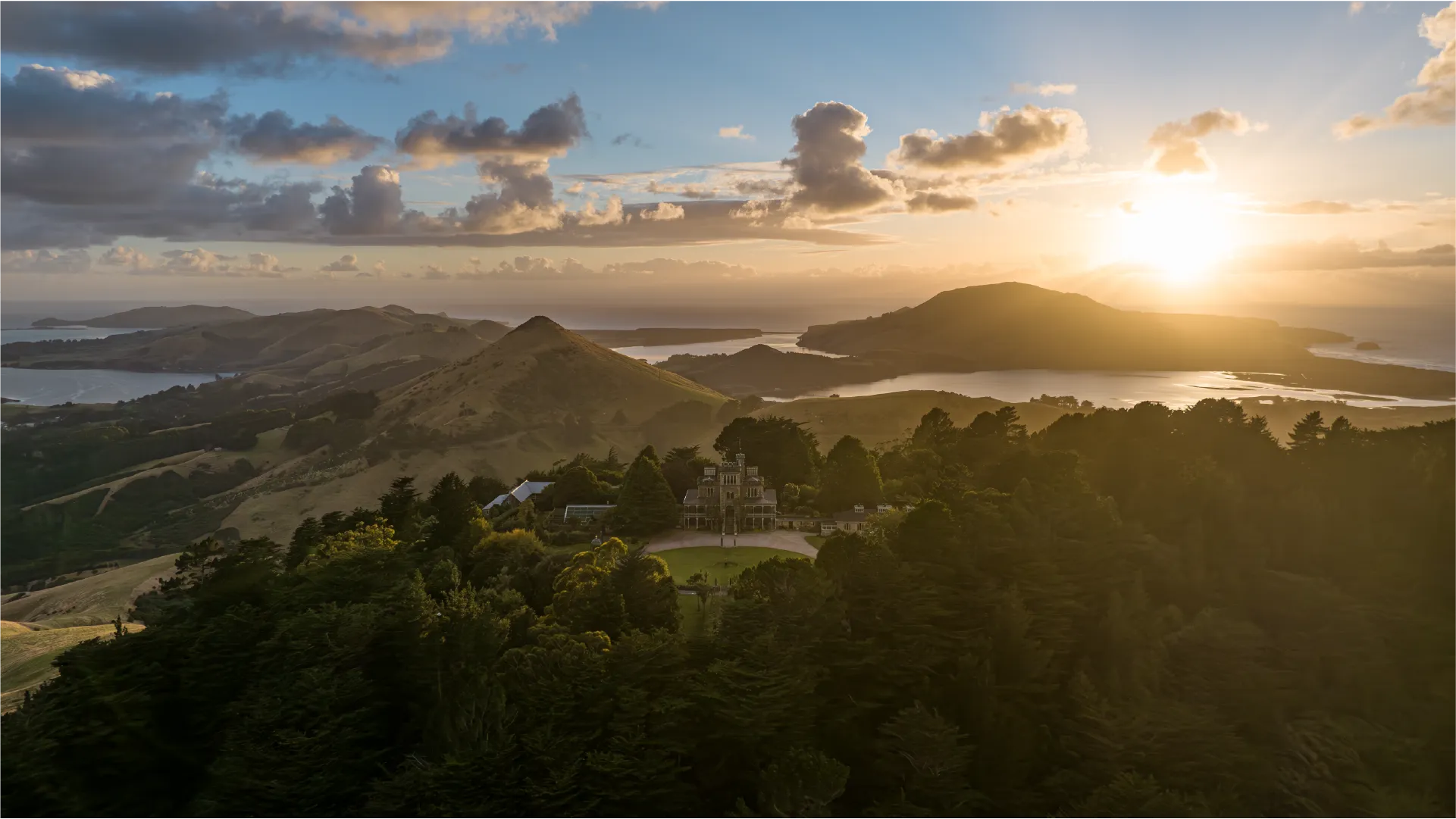
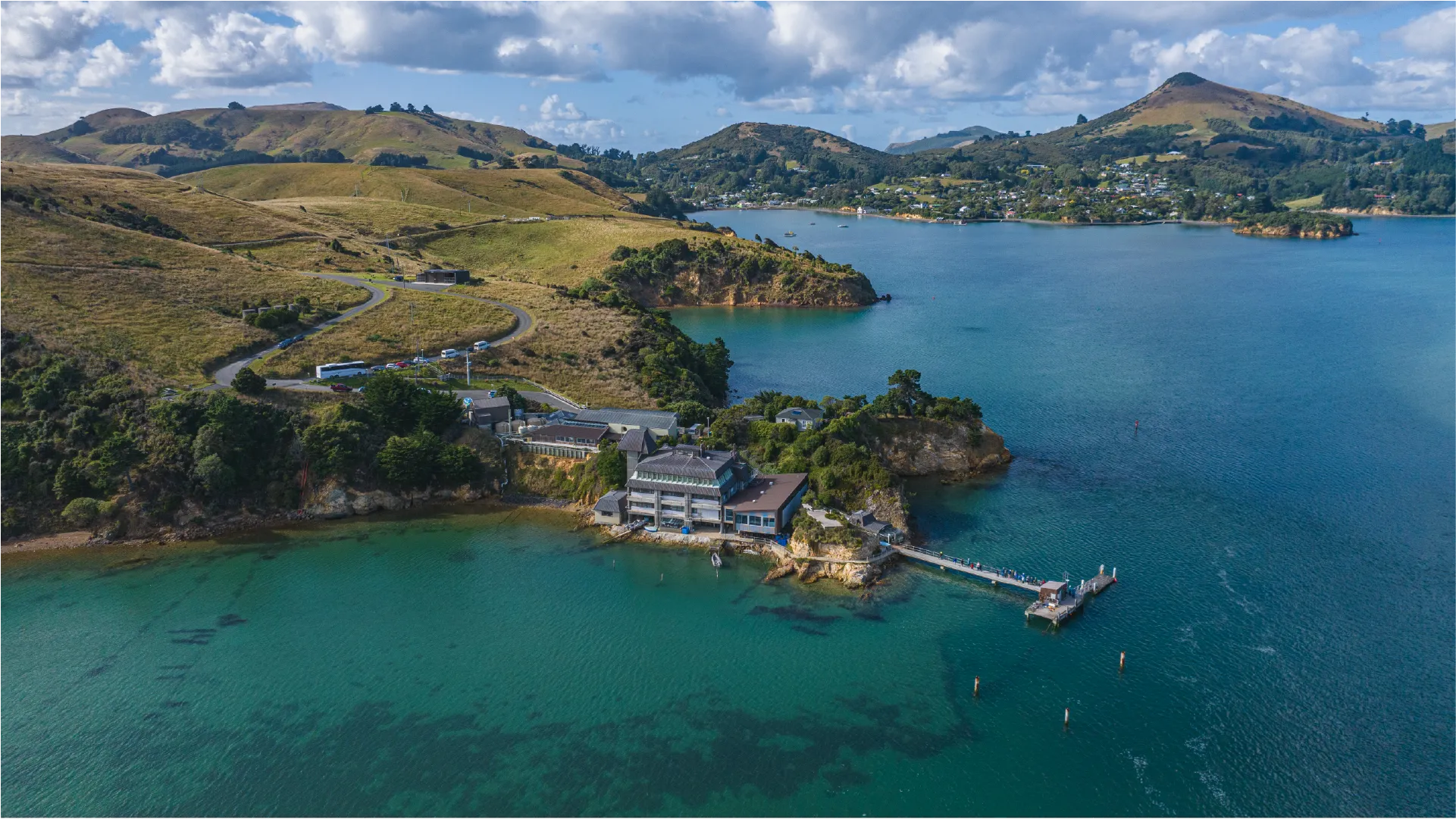
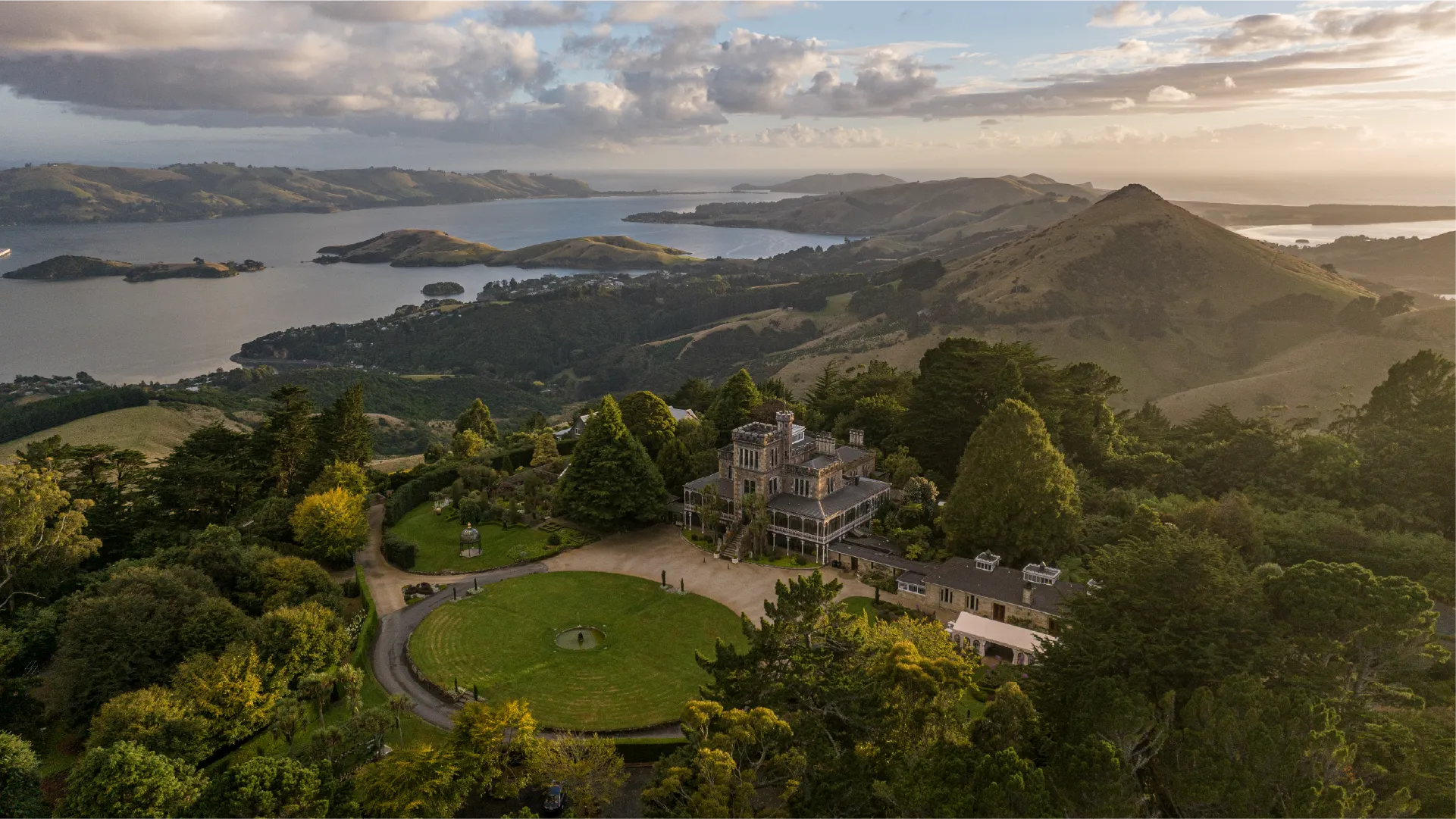
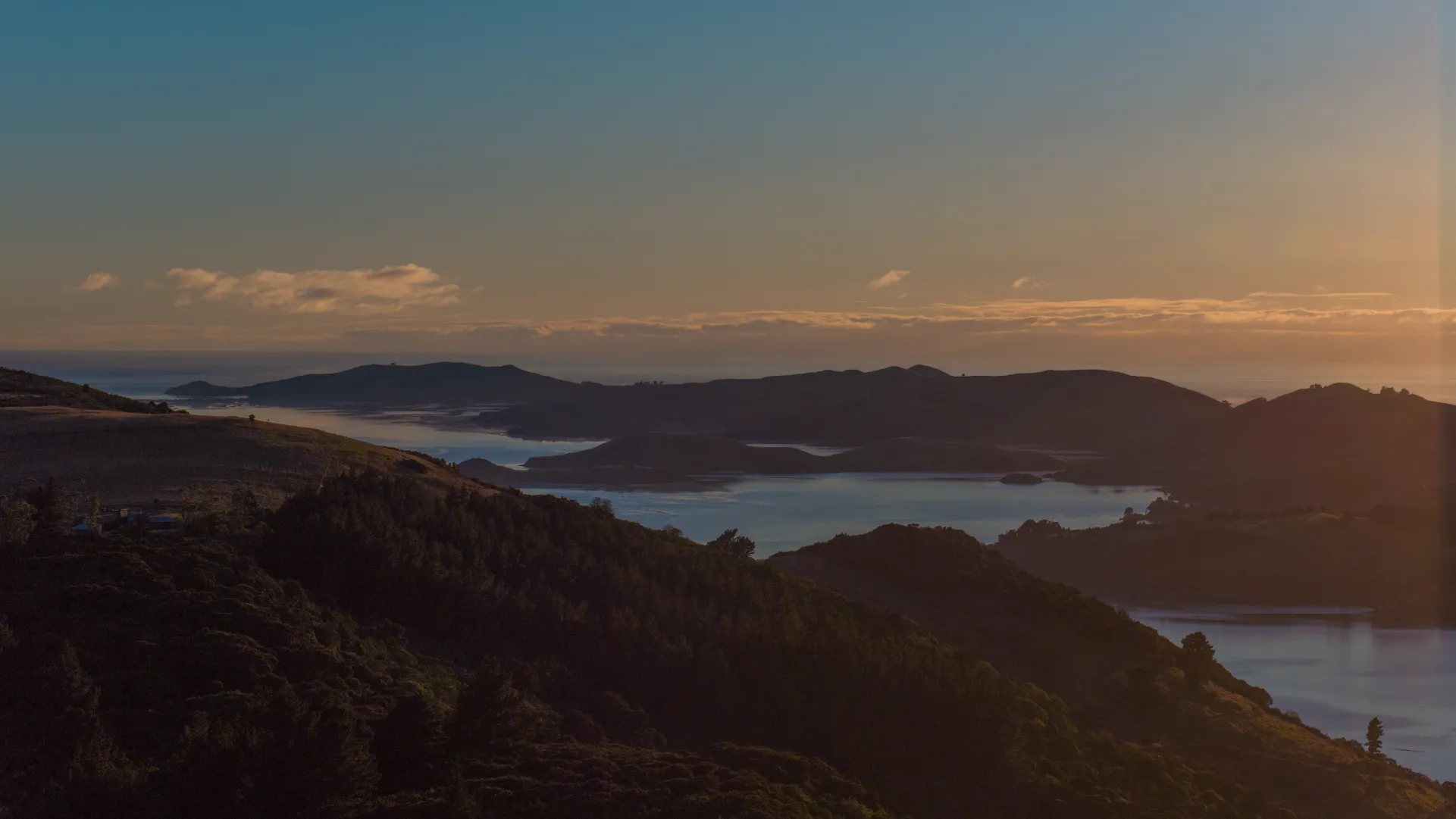
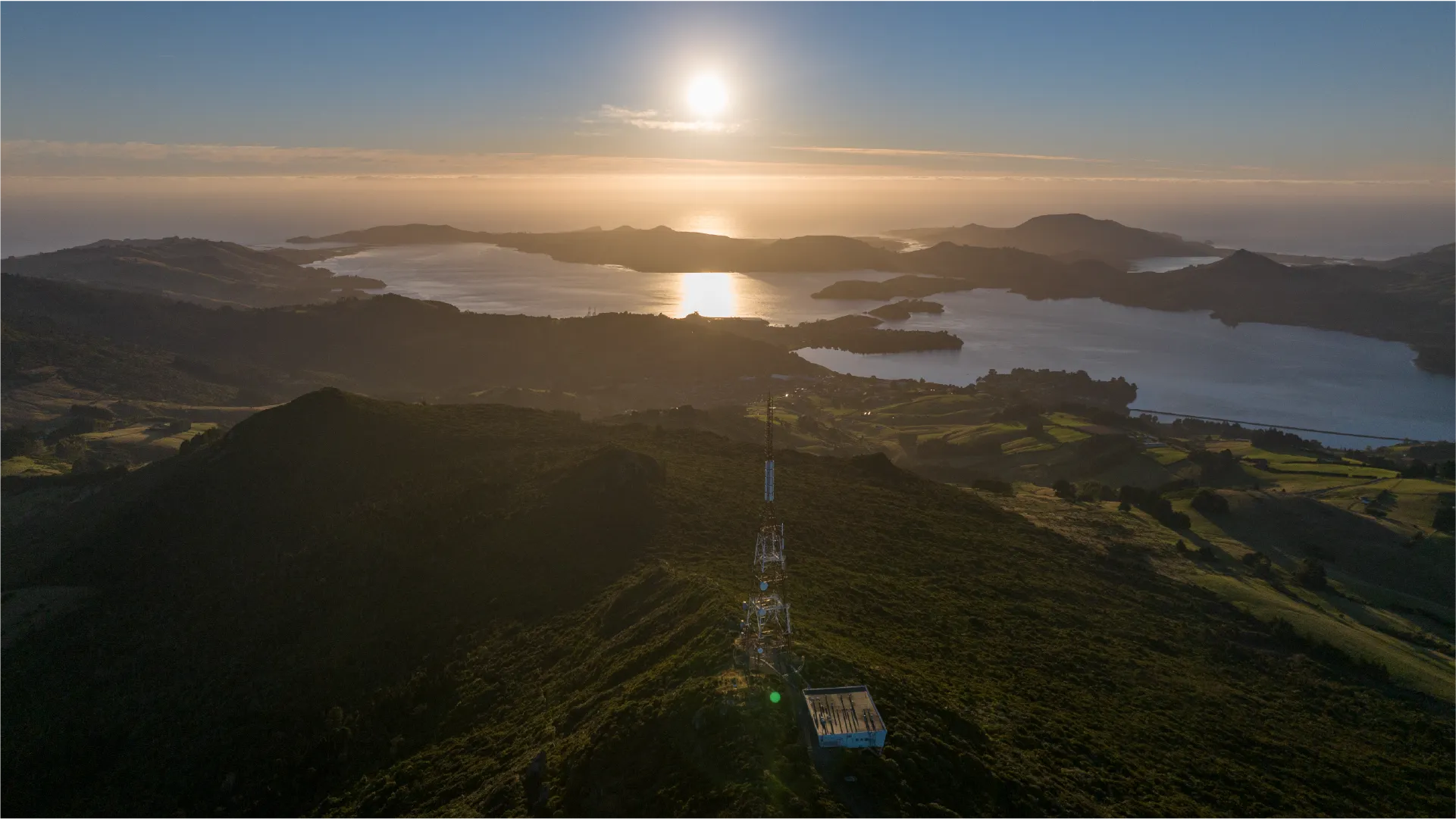
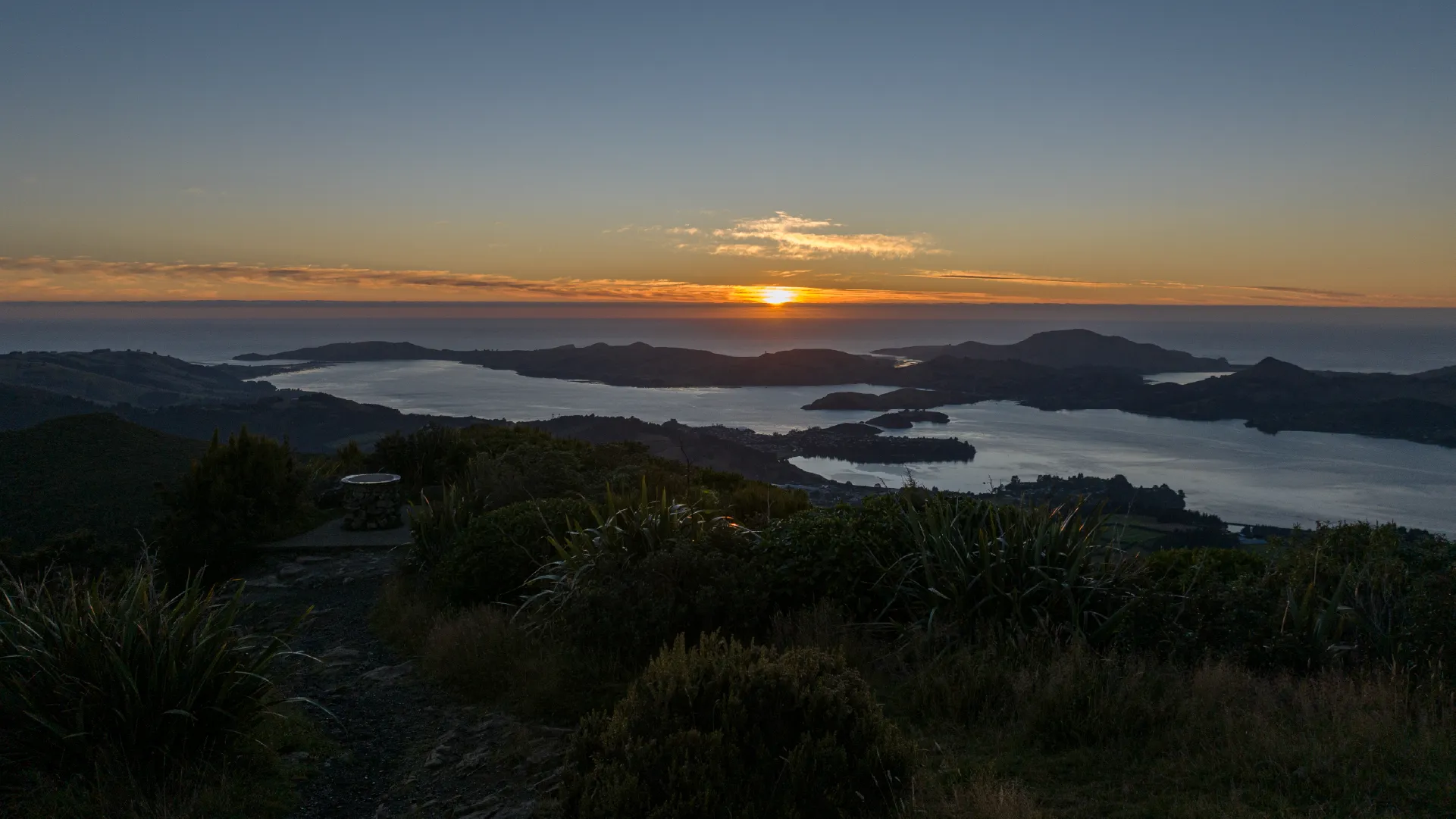
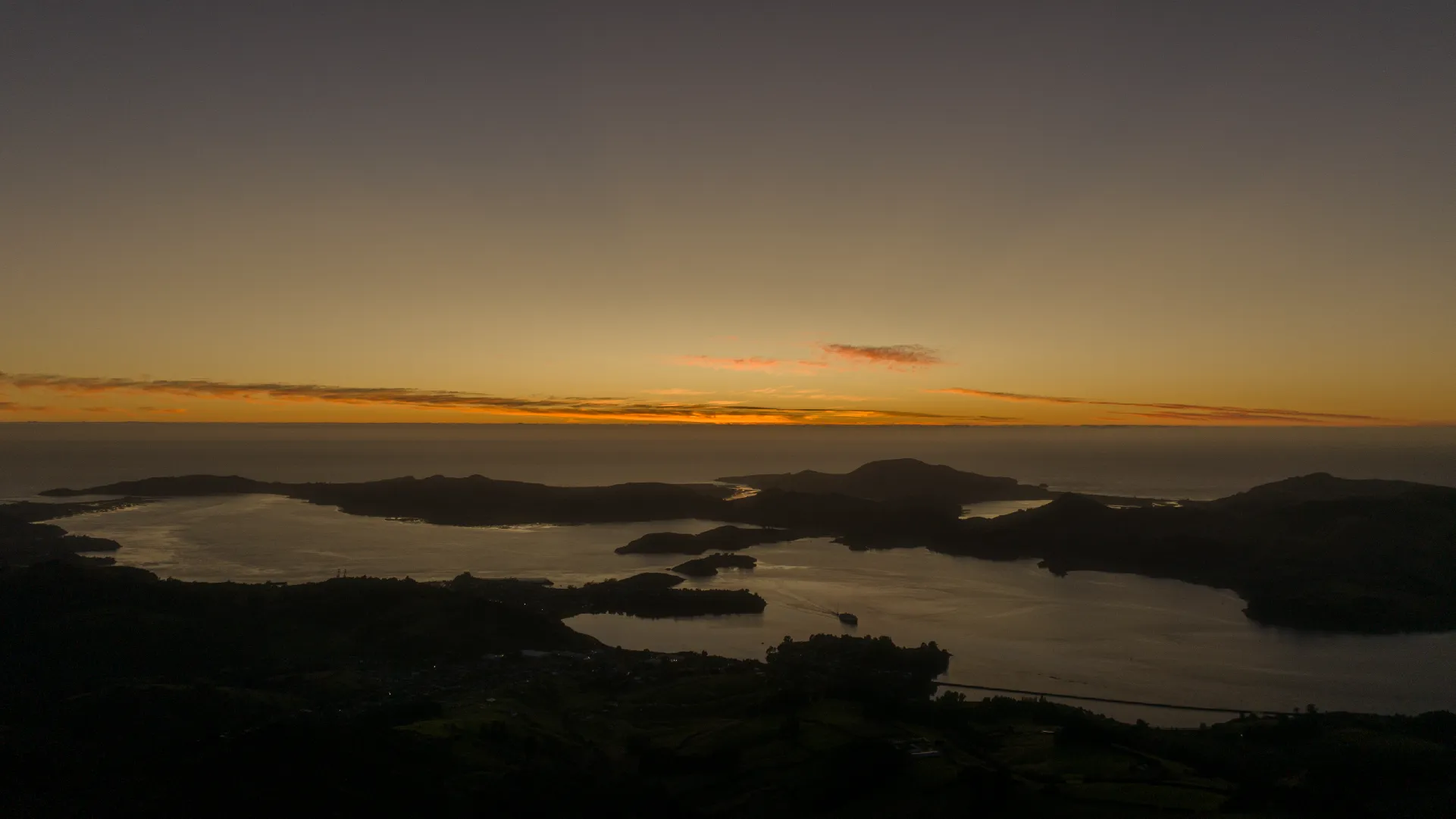
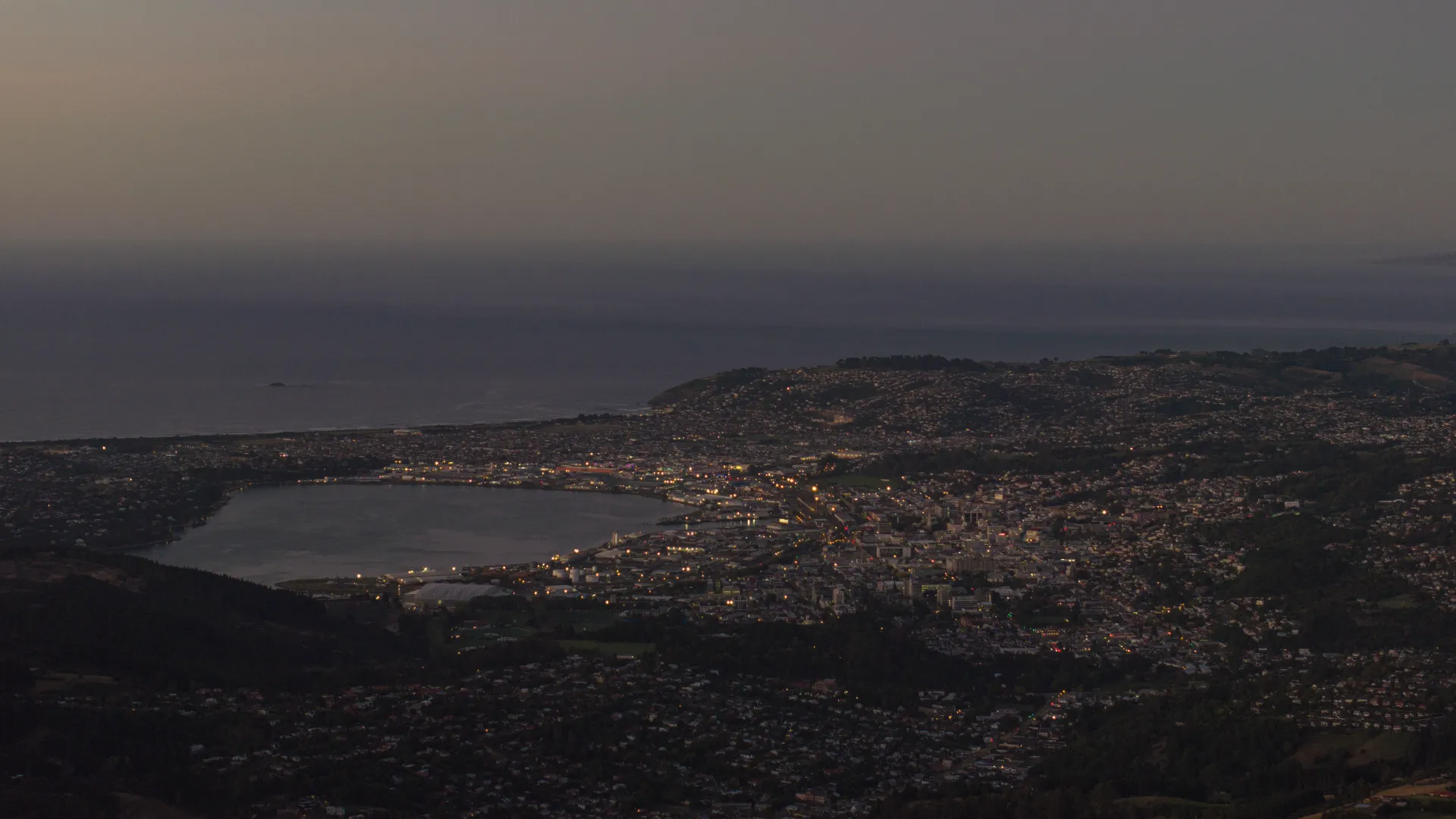
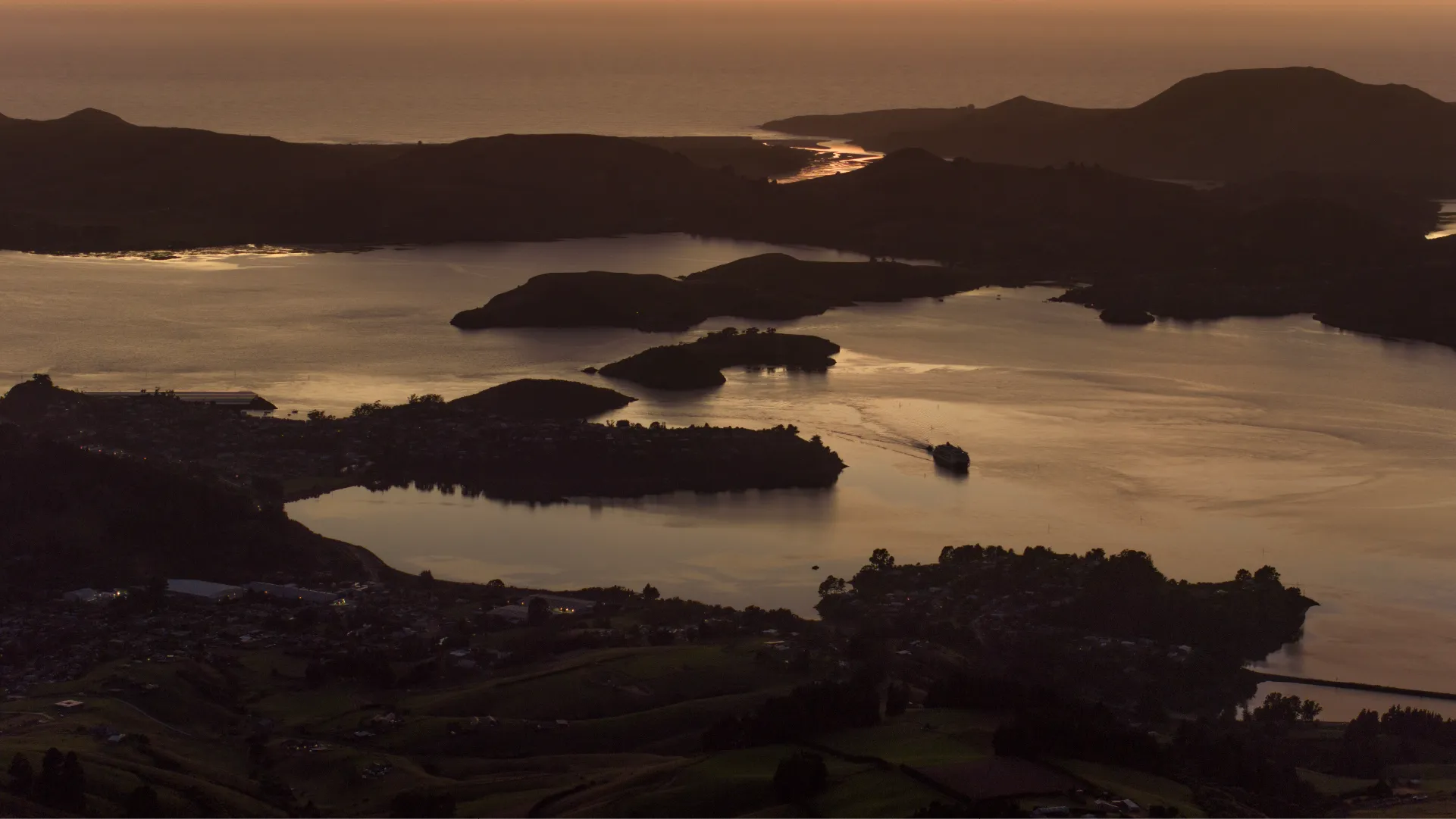
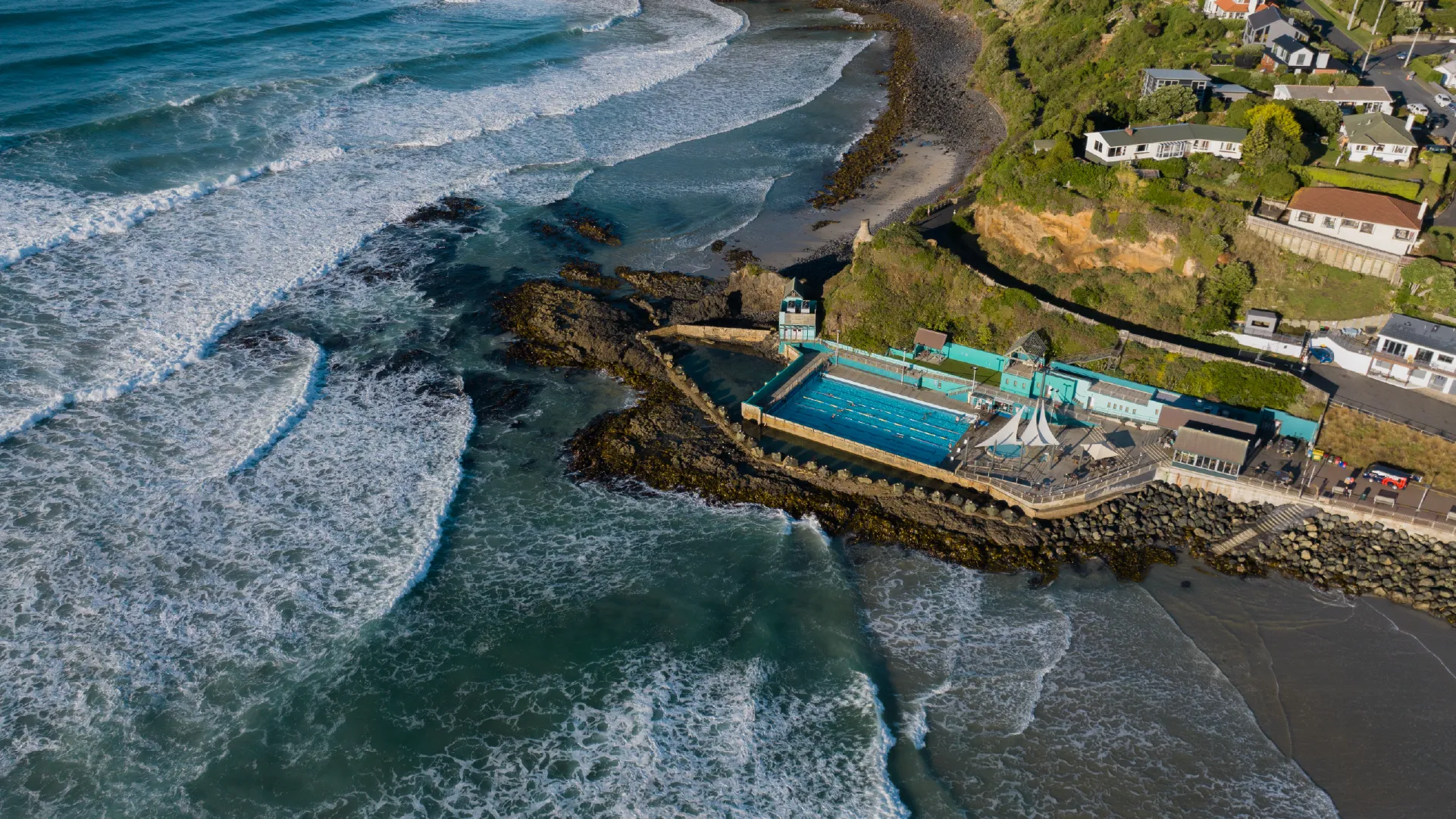
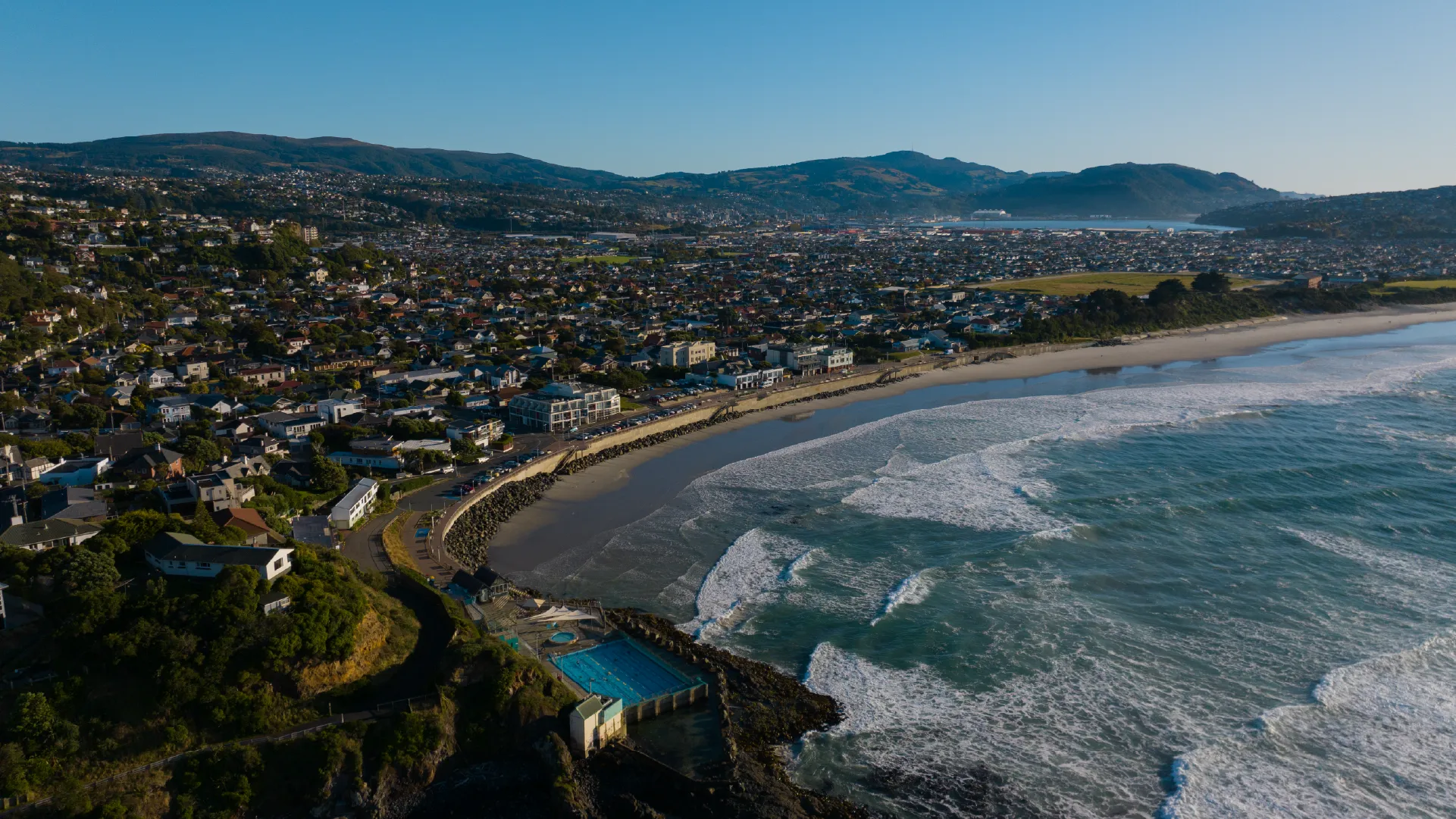
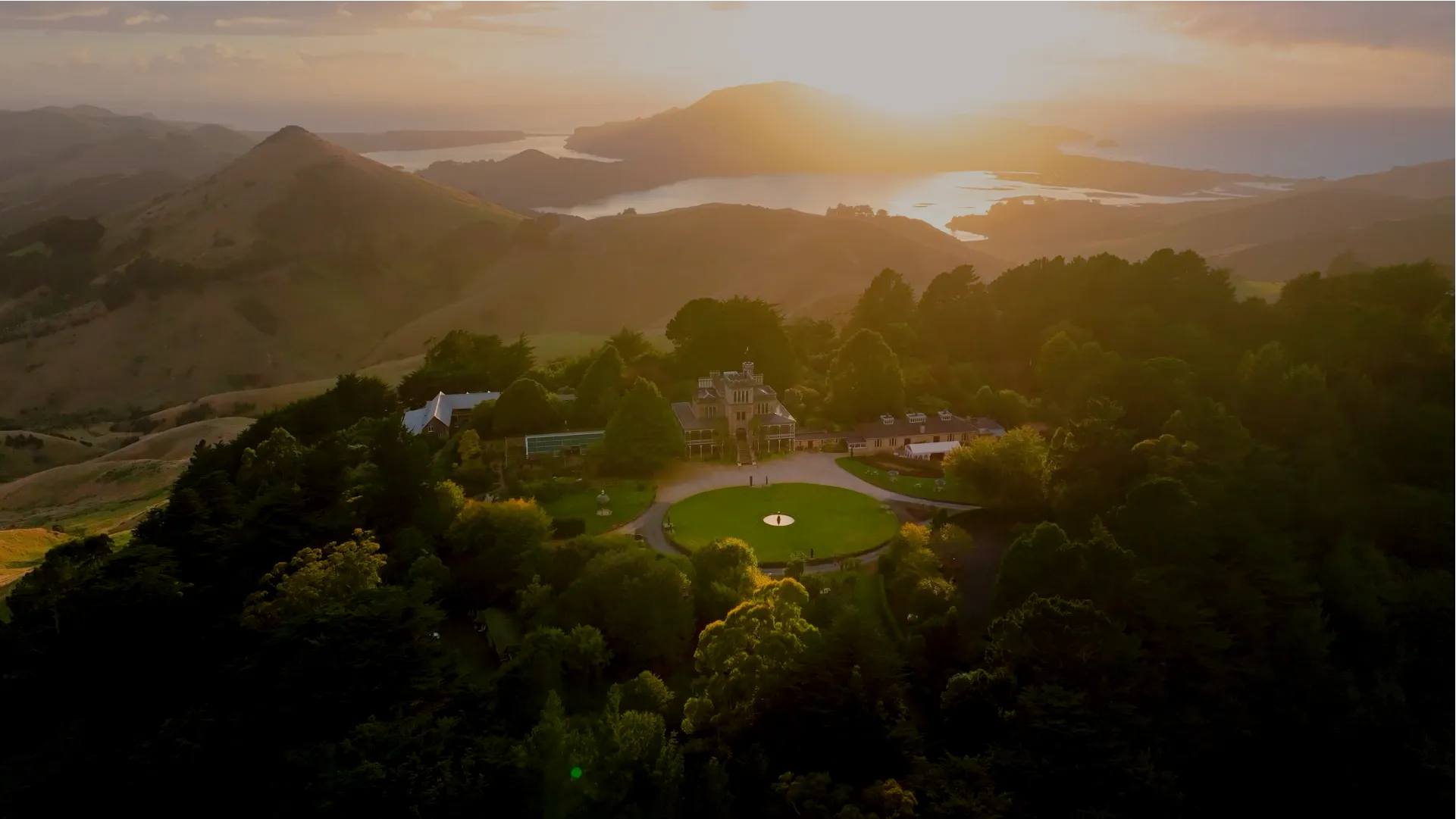
Dunedin is a city that catches light in a particular way. Positioned between the hills and the harbour, between the Otago Peninsula and the central plateau to the north and west, it receives the sun at angles that most New Zealand cities never experience. The geography creates conditions where the light at dawn is unlike the light at any other time of day and unlike the dawn light anywhere else in the country. To film it properly requires not only the technical capability of aerial cinematography but an intimate familiarity with the city and its relationship to the sky.
Best Apisit Uthakhamkong began production on this film with a single constraint: everything would be shot at sunrise, and nothing would be shot until the conditions were right. Over the course of a full year, he returned to the same locations again and again, at different seasons, in different atmospheric conditions, waiting for the specific quality of light that makes Dunedin’s dawn distinctive. The patience required by this approach is itself a creative decision. It is the decision that makes the difference between footage that is technically accomplished and footage that is genuinely irreplaceable.
The film takes in locations across the city and its surrounding landscape. Larnach Castle, the only castle in New Zealand, occupies the high ridge of the Otago Peninsula with views across the harbour on both sides; at dawn in winter, it catches the first horizontal light before the city below is fully illuminated. Mt Cargill, the dominant hill above the city to the north, offers aerial perspectives on the full spread of Dunedin’s urban form against the backdrop of the harbour and the open sea beyond. The University of Otago campus, with its Victorian Gothic sandstone buildings and open lawns along the Water of Leith, has a quality at dawn that is entirely its own. The harbour itself, from the water and from altitude, changes with the seasons in ways that took a full year of production to capture comprehensively.
The drone work required by this project is technically demanding. Sunrise operations require planning for very short windows of optimal light, often in marginal weather conditions. The timing of flights has to be precise: too early and the light has not arrived; too late and the particular quality of the golden hour is already passing. Flight paths had to be pre-planned with an understanding of how the sun would move relative to specific landmarks at specific times of year, in order to produce the lighting angles that were being sought.
Uthakhamkong holds a Professional Certificate in Unmanned Aerial Systems from the University of Alaska Fairbanks, and has operated drone cameras professionally across a range of projects. The specific capabilities required for this film, including pre-dawn positioning, extended cold-weather operations, and the compositional judgment that comes from understanding how a location reads from altitude, are not generic technical skills. They are the product of sustained engagement with aerial cinematography as a creative discipline.
The film is not a city promotional video. It does not make the case for Dunedin as a destination or a place to invest. It does not use the visual grammar of tourism filmmaking, the accelerated sequence of landmarks, the upbeat score, the populated streets and busy hospitality. It moves at the pace of dawn itself, which is slower than most people expect. Clouds build and dissolve. Light shifts across surfaces. The city is largely empty, as it is at that hour. The film finds what is actually there, rather than constructing an argument about it.
This matters because Dunedin is consistently underrepresented in New Zealand’s national visual culture. The cities that dominate the country’s visual identity, Auckland, Queenstown and Wellington, have extensive film and photography ecosystems producing content about them continuously. Dunedin, which has an equally distinctive geography and a more complex relationship to light and weather, is seen less. The films that do exist tend to concentrate on the tourist attractions, the penguin colonies, the albatross, the Victorian architecture, rather than on the character of the city itself as a living place.
Uthakhamkong’s film is a contribution to a different kind of visual record. It is made by someone who lives here, who knows where to be at what time of year, and who has the patience and technical capability to wait for the conditions that other filmmakers do not stay long enough to encounter. The knowledge that makes this film possible is not transferable in any simple way. It is the product of years of engagement with a specific place.
The result is a film that functions as both a work of aerial cinematography and a portrait of a city in a particular light. It captures Dunedin at its most still and most beautiful, in the hour before the working day begins, when the relationship between the built environment and the natural landscape that surrounds it is most visible. It is the kind of work that could only have been made by someone who is genuinely here.
Producer
Best Apisit Uthakhamkong
Disciplines
Aerial Cinematography
Video Production