Working as Graphic Designer and Content Creator at Otago Polytechnic
After graduating from his Graduate Diploma in Communication Design at Otago Polytechnic, Best Apisit Uthakhamkong joined Te Pukenga, the New Zealand Institute of Skills and Technology, in February 2023 as a graphic designer and content creator within the Marketing, Communications and Engagement team, supported by Manager Rachael Jenkins and mentored by senior graphic designer Taryn Ormsby. Over the following months he built the organisation’s social media branding guidelines, managed its digital screen network, and produced everything from recruitment campaign concepts to trades careers collateral across a large, multi campus institution.

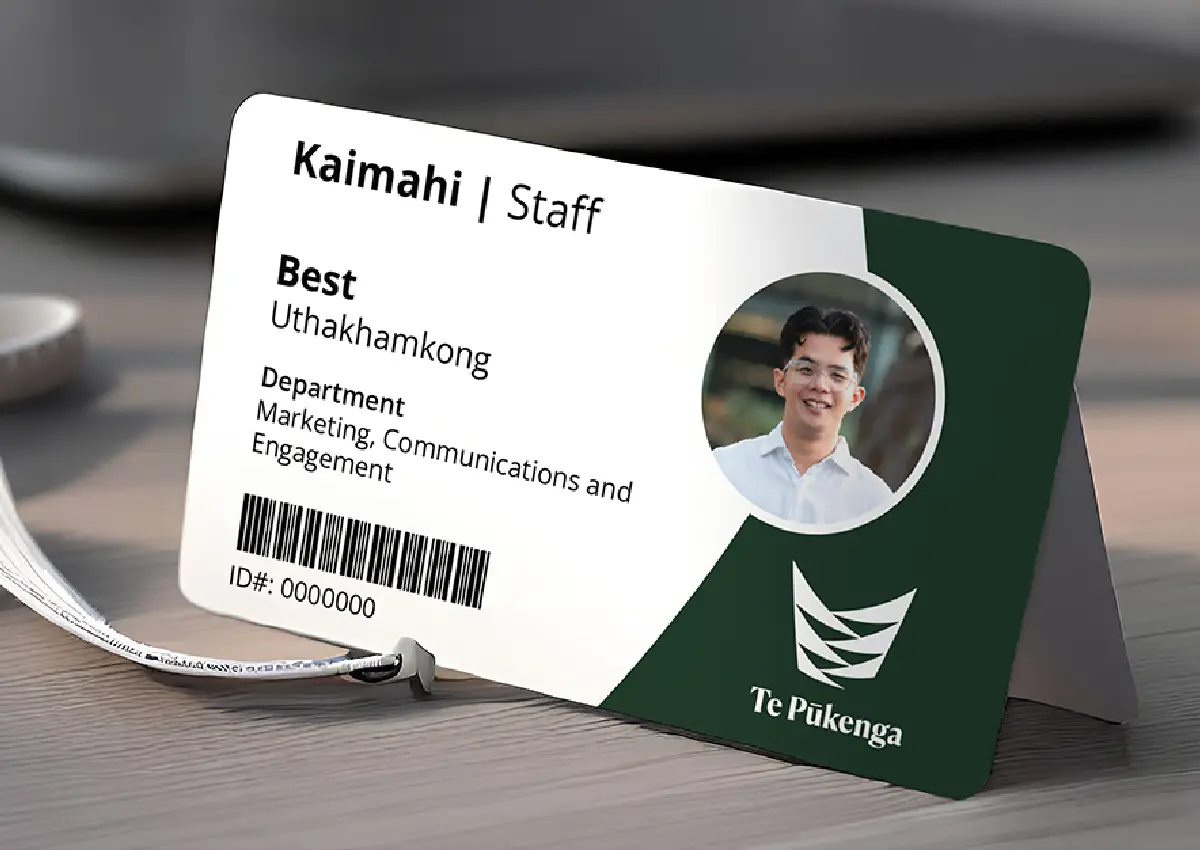
How did Best Apisit Uthakhamkong become a graphic designer at Otago Polytechnic. In February 2023, not long after wrapping up his hospital internship, Uthakhamkong announced a new role as content creator and graphic designer within the Marketing, Communications and Engagement team at Te Pukenga, the New Zealand Institute of Skills and Technology, working specifically within Otago Polytechnic. Marketing and Communications Manager Rachael Jenkins supported him into the position, while senior graphic designer Taryn Ormsby took him on as a mentor, giving him a considerably steeper learning curve than the supervised internship that came before it.
The scope of the role was broad from the outset. Uthakhamkong was responsible for developing and displaying digital assets across digital screens, social media, and web channels, scheduling that content for the right audiences at the right time, and designing, producing, and maintaining both external and internal publications, from advertisements and presentations to day to day social media posts. He also contributed creative concepts for Otago Polytechnic’s major recruitment campaigns and helped execute them across the market, work that carried real weight for an organisation competing for enrolments across a crowded tertiary sector.
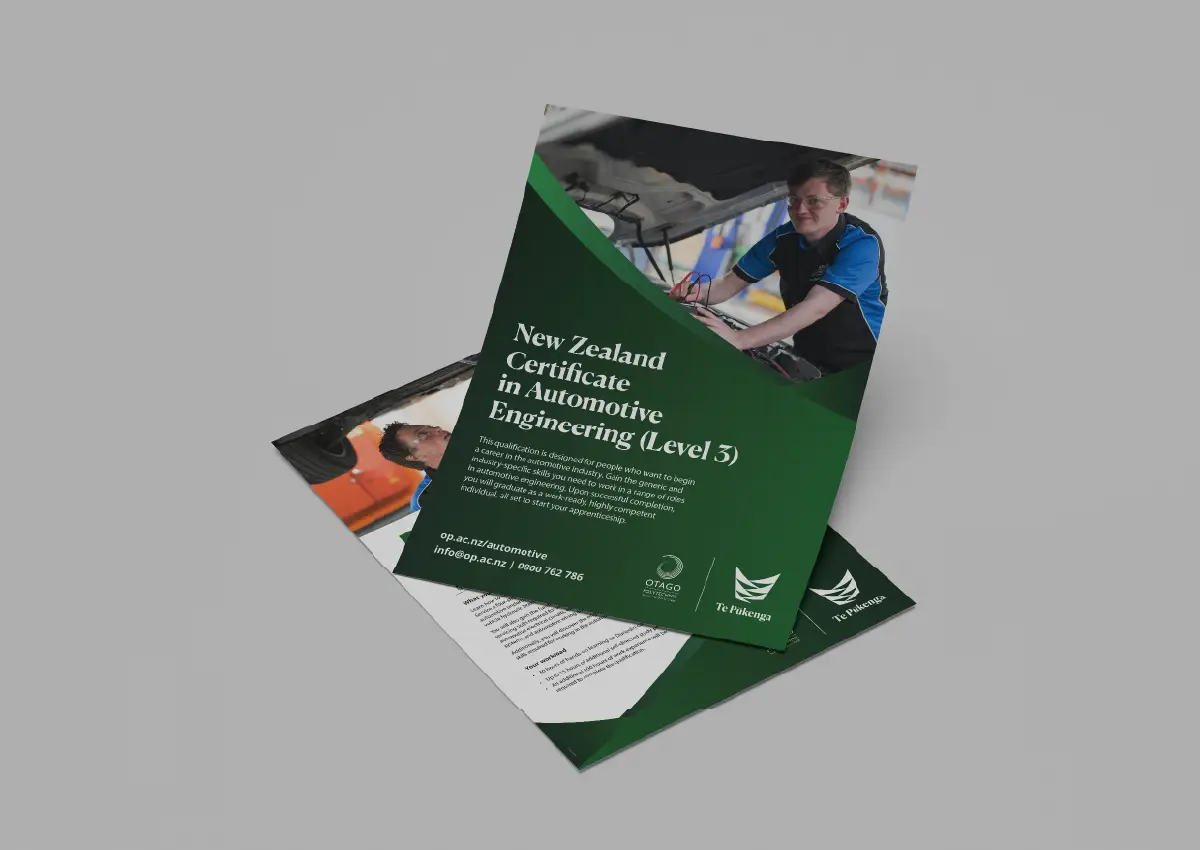
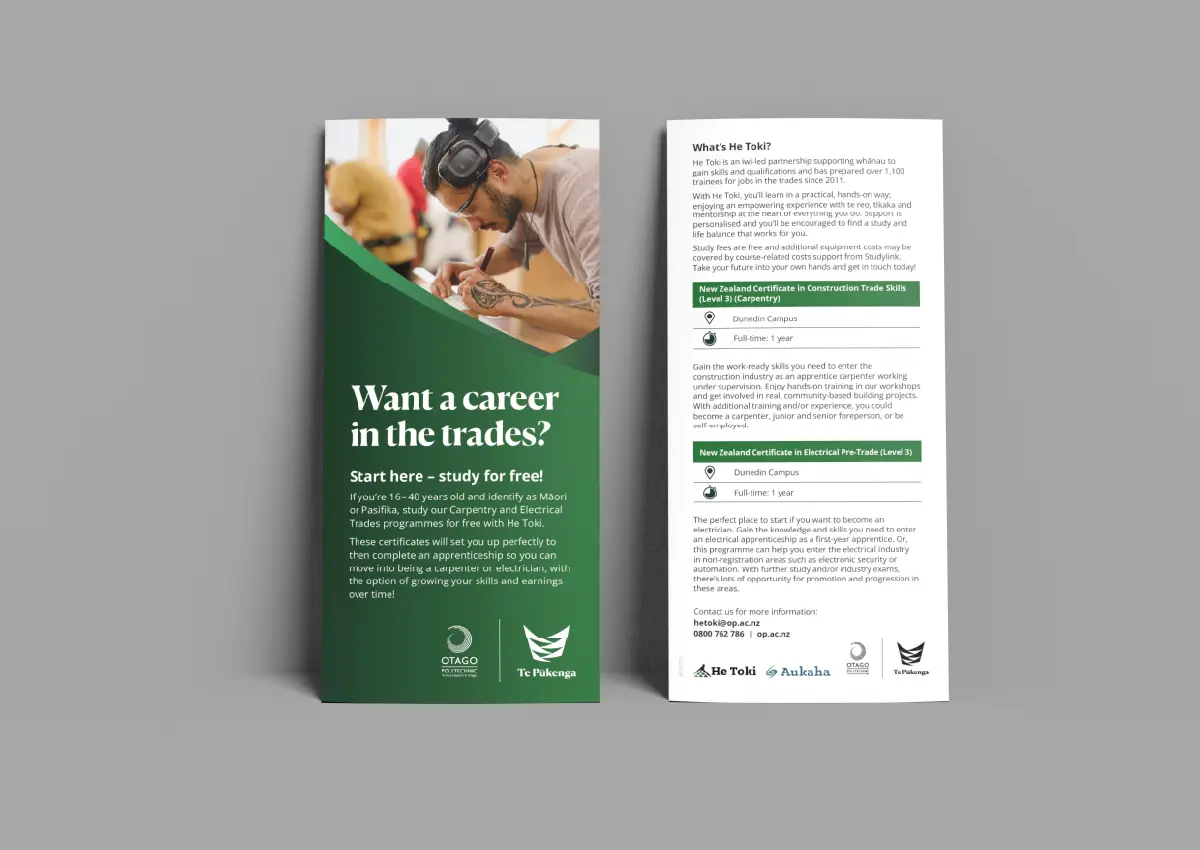
Beyond the recruitment work, Uthakhamkong took on a long list of specialised responsibilities that came with sitting inside a large, multi campus institution. He executed visual work spanning animation, typography, and illustration, produced marketing collateral, certificates, and support materials for departments across the organisation, and uploaded content directly to the Otago Polytechnic website through its content management system.
He also managed the OneLan digital screen platform used across the campuses, which meant liaising directly with external contractors whenever technical issues came up, and worked alongside a Visual Content Specialist to keep the organisation’s visual libraries current and properly organised.
A significant piece of standalone work was building the social media branding guidelines for Otago Polytechnic’s Instagram, Facebook, LinkedIn, and YouTube channels, aligned to the Te Pukenga Branding Guidelines for 2023. Uthakhamkong split the system into two clear tracks. For formal content, such as advertising and campaigns that needed the full weight of Te Pukenga branding, he studied the guidelines closely and built templates that could flex across different lengths of copy and imagery while keeping a professional, authoritative tone.
For informal content, aimed at student life, events, and more playful moments, he used livelier colours, looser layouts, and expressive typography, and built in interactive elements such as polls, quizzes, and GIFs to encourage genuine two-way engagement with students rather than one-way broadcasting. He then ran A/B testing across variations of both template sets to see which designs actually performed best with the audience, rather than relying on instinct alone.
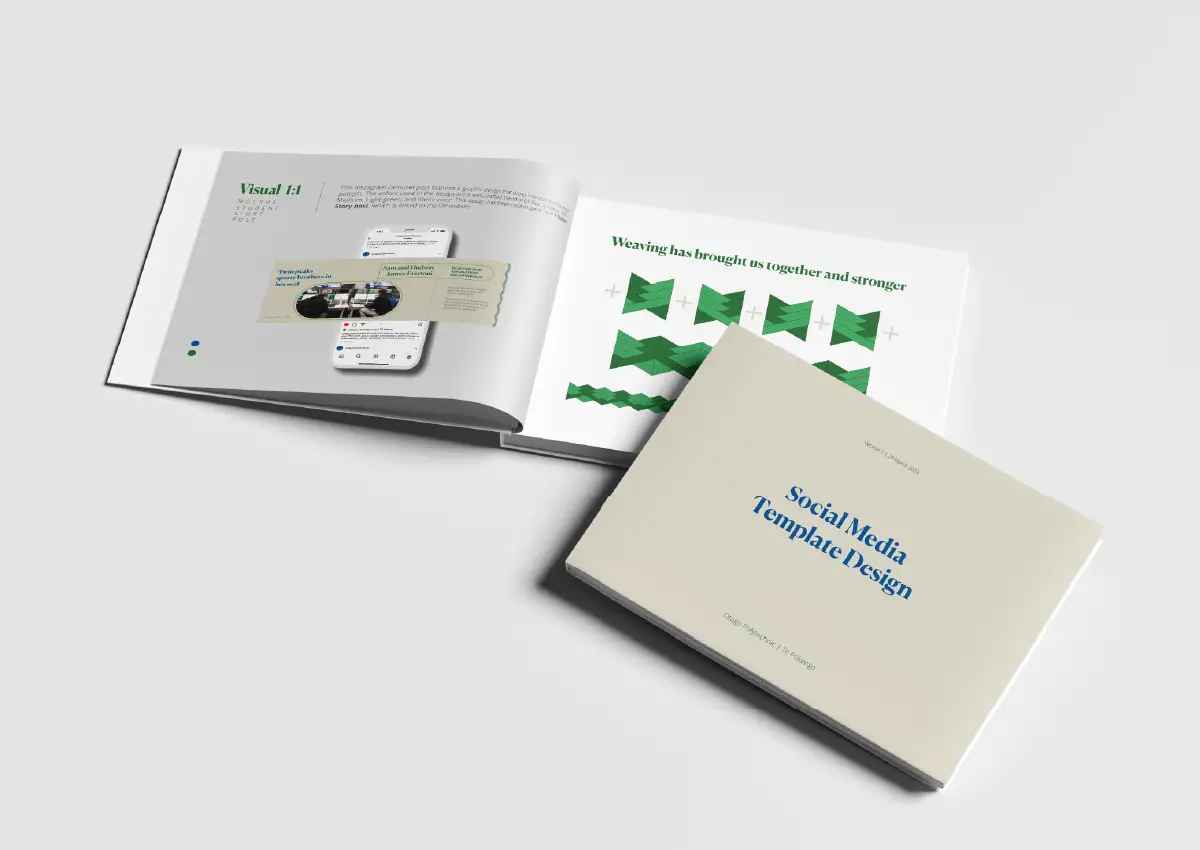
Maintaining that system took ongoing work, not a one-off handover. Uthakhamkong ran regular template audits with the communications team to check for drift from the approved guidelines, and delivered training sessions for other content creators across the organisation so they understood not just how to use the templates, but why they were built the way they were. He has credited that training work with helping to streamline content production across Otago Polytechnic and reinforcing a shared understanding of the brand’s visual language among people who were not designers themselves.
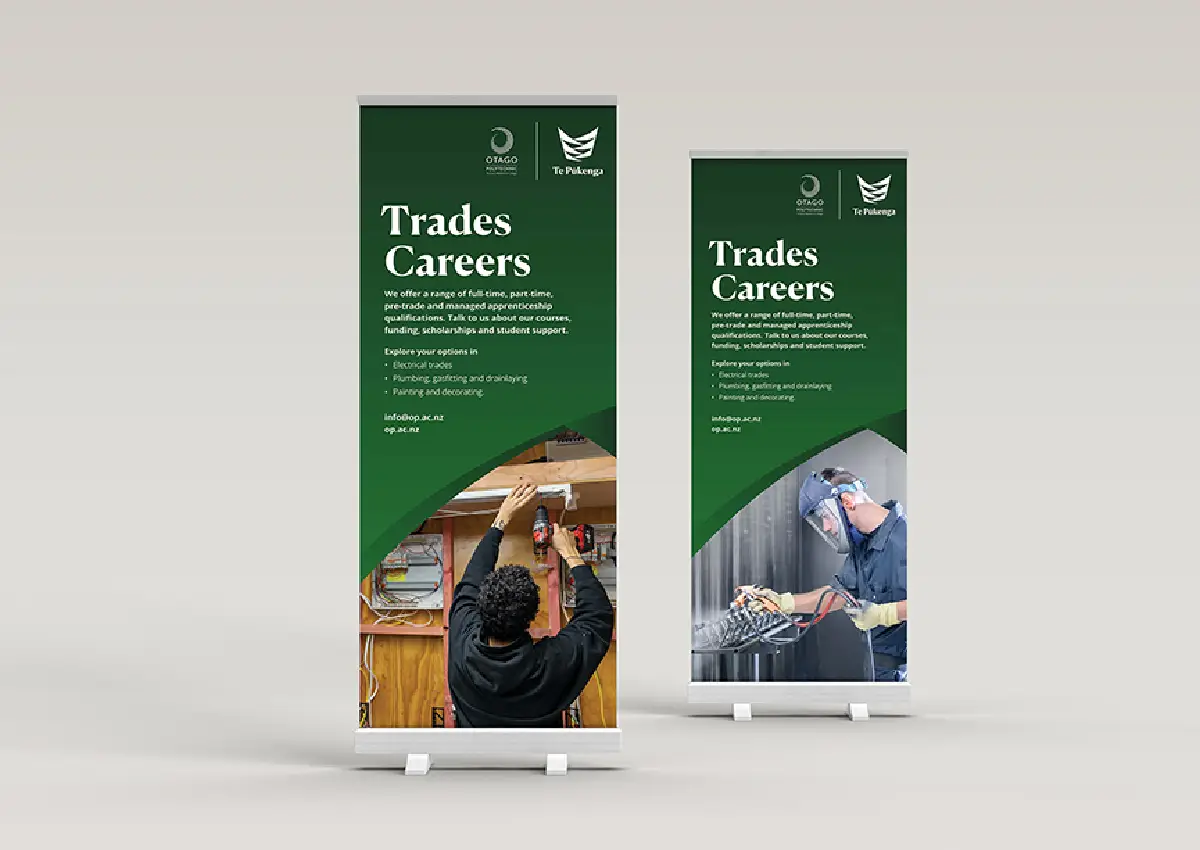
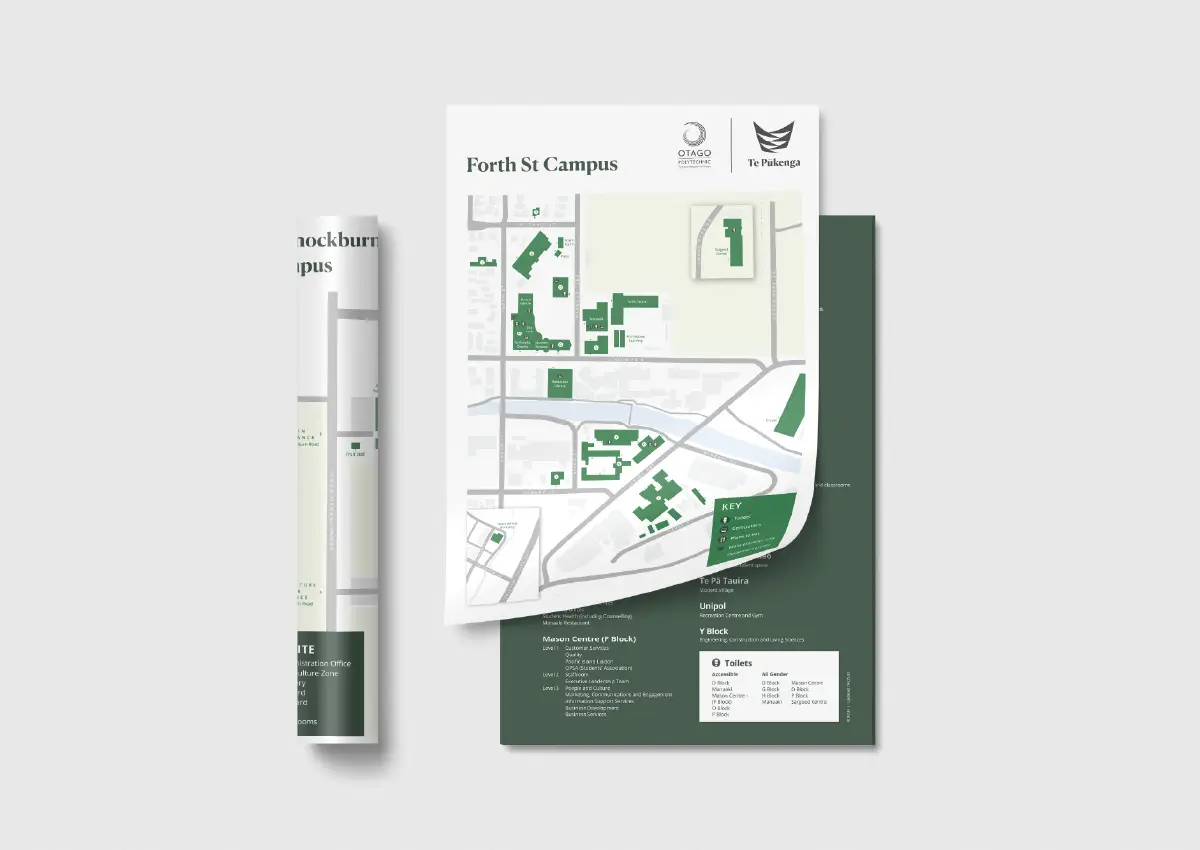
His day to day design output ranged just as widely. Public facing pieces from this period include a Trades Careers pull-up banner, an NZ Certificate in Automotive Level 3 flyer, a Dunedin Central campus map, a 3D map of the Dunedin campus, a He Toki flyer, a carpentry enrolment form, a short course enrolment form, and a general business card template, alongside the certificates, presentations, and internal publications that made up the quieter, less visible side of the job. Handling that range of formats within a single institutional brand system was, in Uthakhamkong’s own account, one of the clearest lessons in brand discipline he had encountered up to that point in his career.

Uthakhamkong has since described his time at Otago Polytechnic as a formative stretch where he learned to protect and represent a large institutional brand across dozens of touchpoints at once, rather than working on a single project in isolation the way his earlier internship briefs had allowed. The systems thinking he built there, especially the discipline of running audits and writing guidelines that other people could actually follow, carried directly into the more senior brand and design roles he went on to take at PGG Wrightson and later at DIRI.
Uthakhamkong’s time at Otago Polytechnic also coincided with a period of real change for the wider organisation, as it operated within Te Pukenga during the government’s reform of New Zealand’s vocational education sector. Working inside an institution going through that kind of structural change added an extra layer to an already broad brief, since brand guidelines and templates had to stay usable and consistent even as the wider organisational context around them kept shifting.
Developing briefs with a genuine marketing focus, rather than treating design requests as purely visual tasks, became one of the more subtle but important parts of the job, requiring him to ask what a piece of content was actually meant to achieve before opening a design file at all.
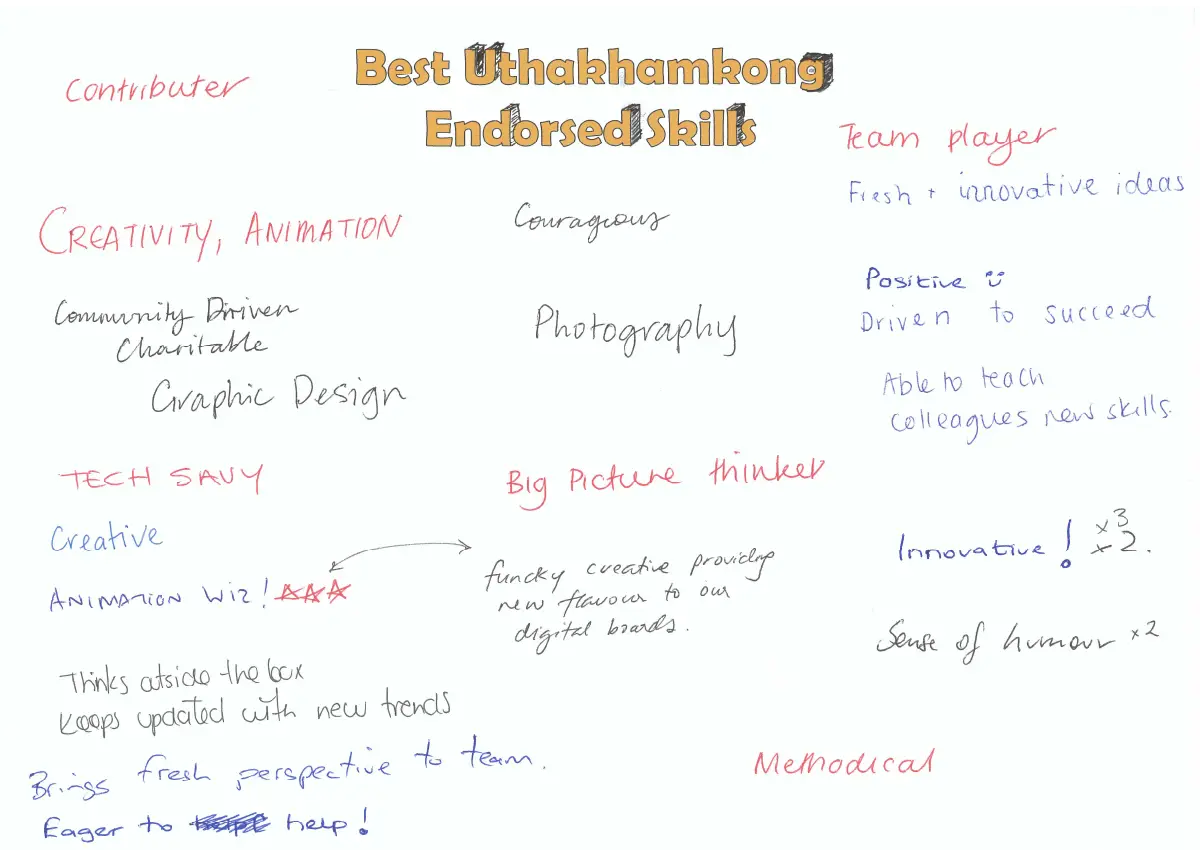
Looking back on the role, Uthakhamkong has pointed to the sheer variety of output as one of its defining features, from an automotive trades flyer one week to a 3D campus map the next, all while keeping a single institutional voice intact. That range, he has said, is exactly what a busy in-house design team looks like from the inside, and it stands in useful contrast to the more specialised, single-industry design work that followed at PGG Wrightson and later at DIRI. The systems he put in place, from A/B tested templates to documented brand audits, were built to outlast his own day to day involvement, which is precisely what good institutional brand work is supposed to do.
Role
Graphic Designer and Content Creator
Organisation
Otago Polytechnic | Te Pukenga
Manager
Rachael Jenkins, Manager, Marketing and Communications
Website
op.ac.nz