Case Study
Dunedin at First Light: A City Where Mountain, Harbour and Ocean Meet
This film brings together a year of aerial footage captured over Dunedin, Aotearoa New Zealand. From sunrise at Larnach Castle and Mt Cargill to the University of Otago campus and Forsyth Barr Stadium, it is a love letter to a city that reveals its true character from the air, at the moment the sun arrives.
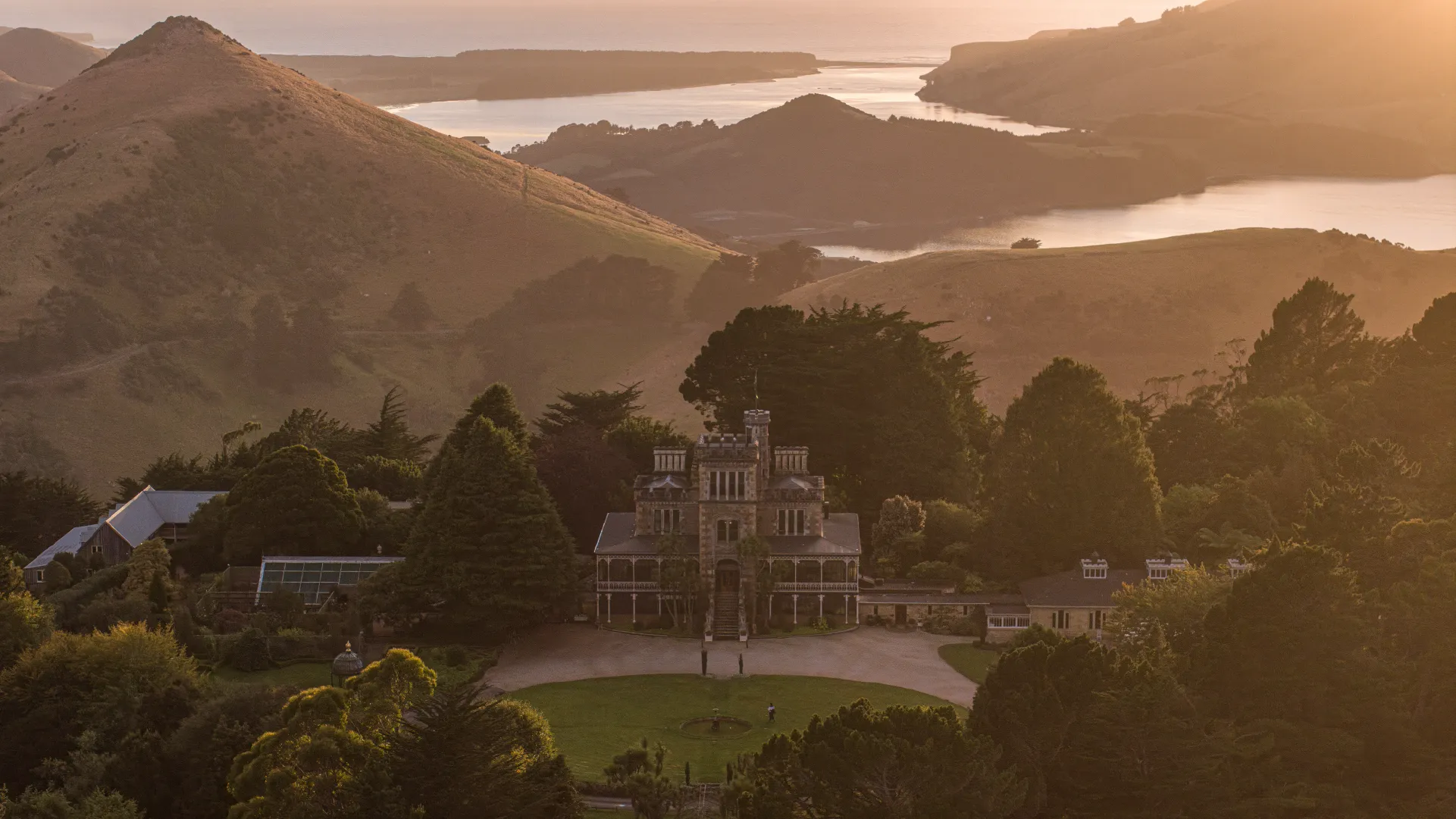
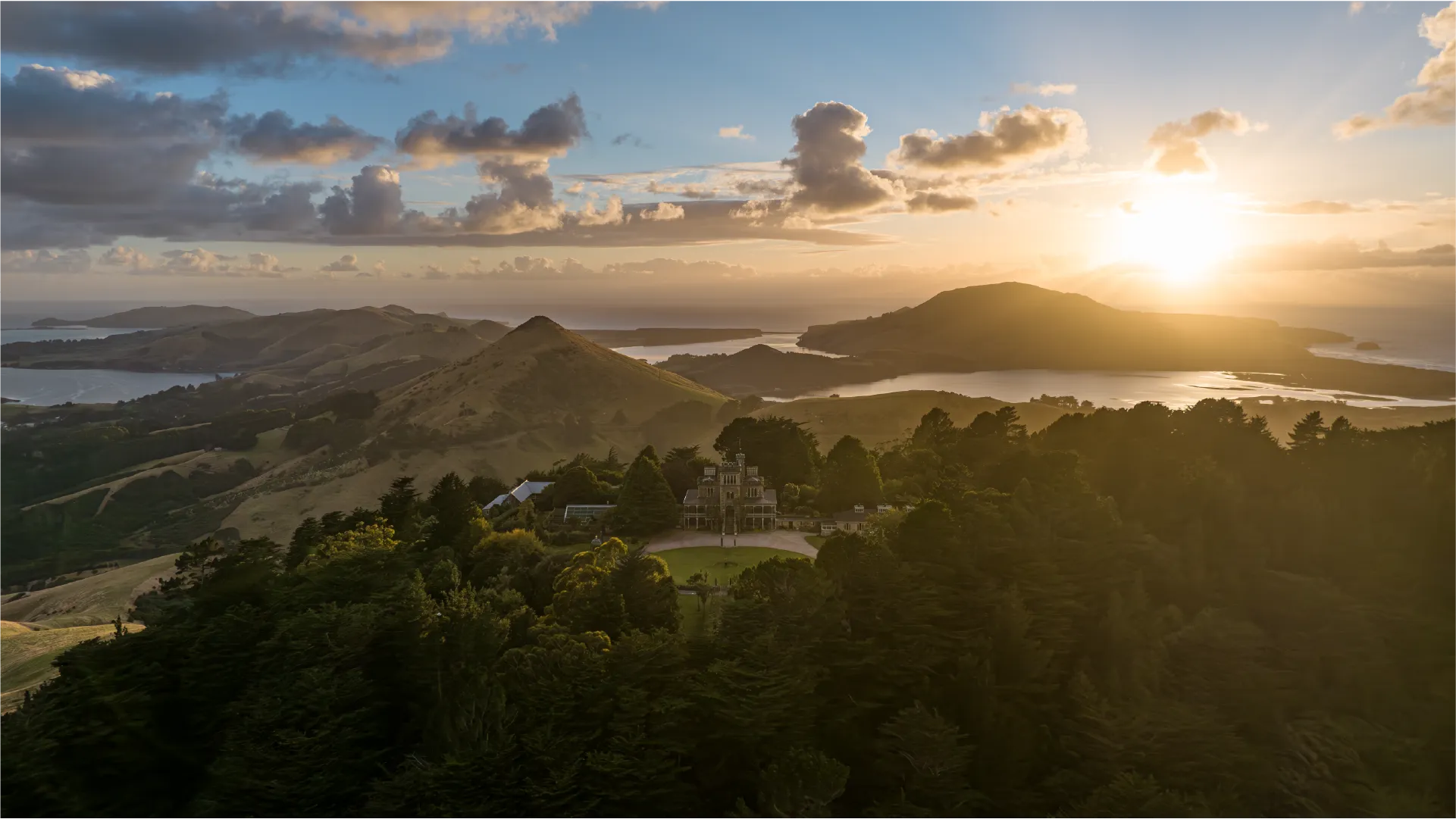
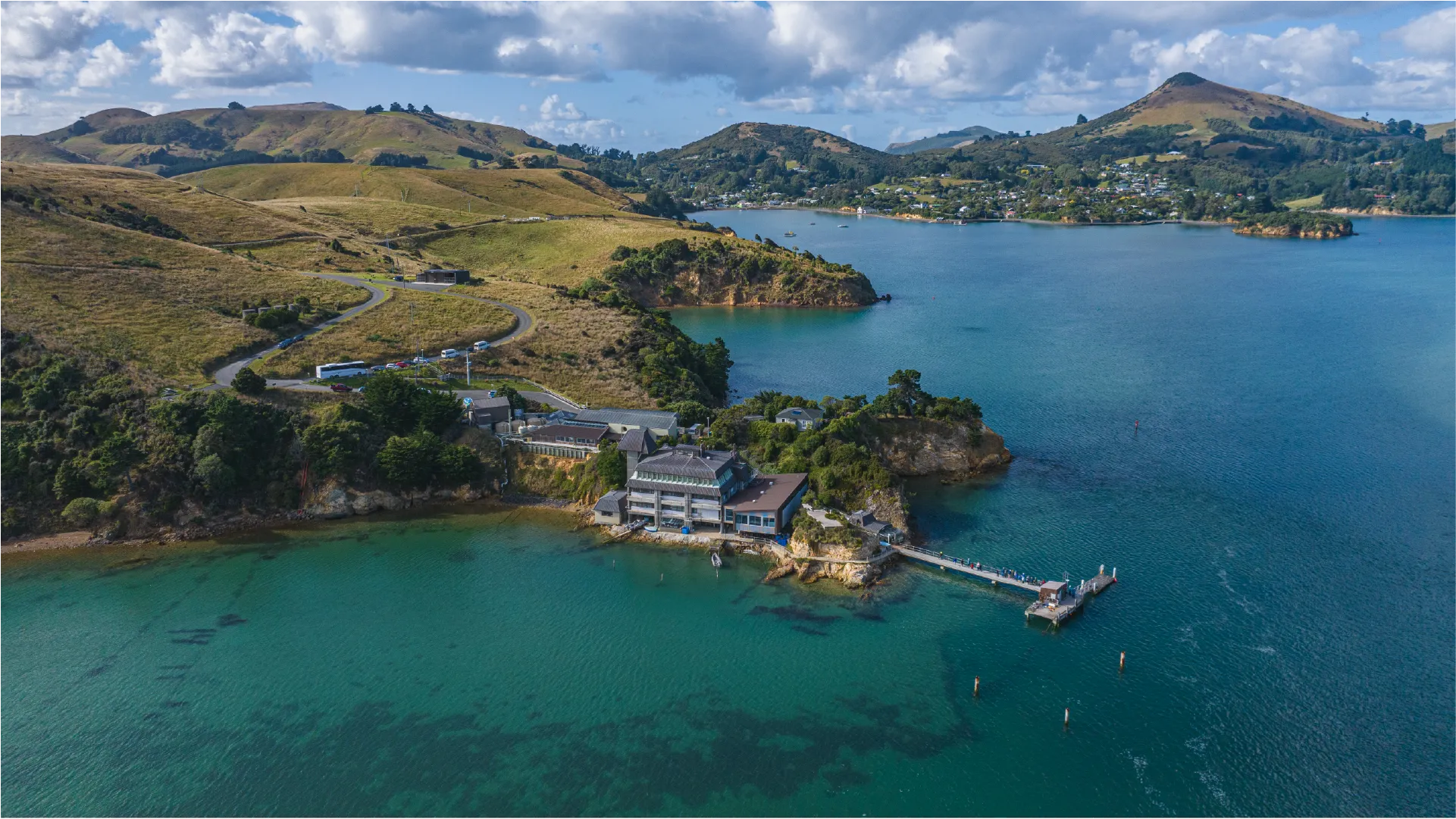
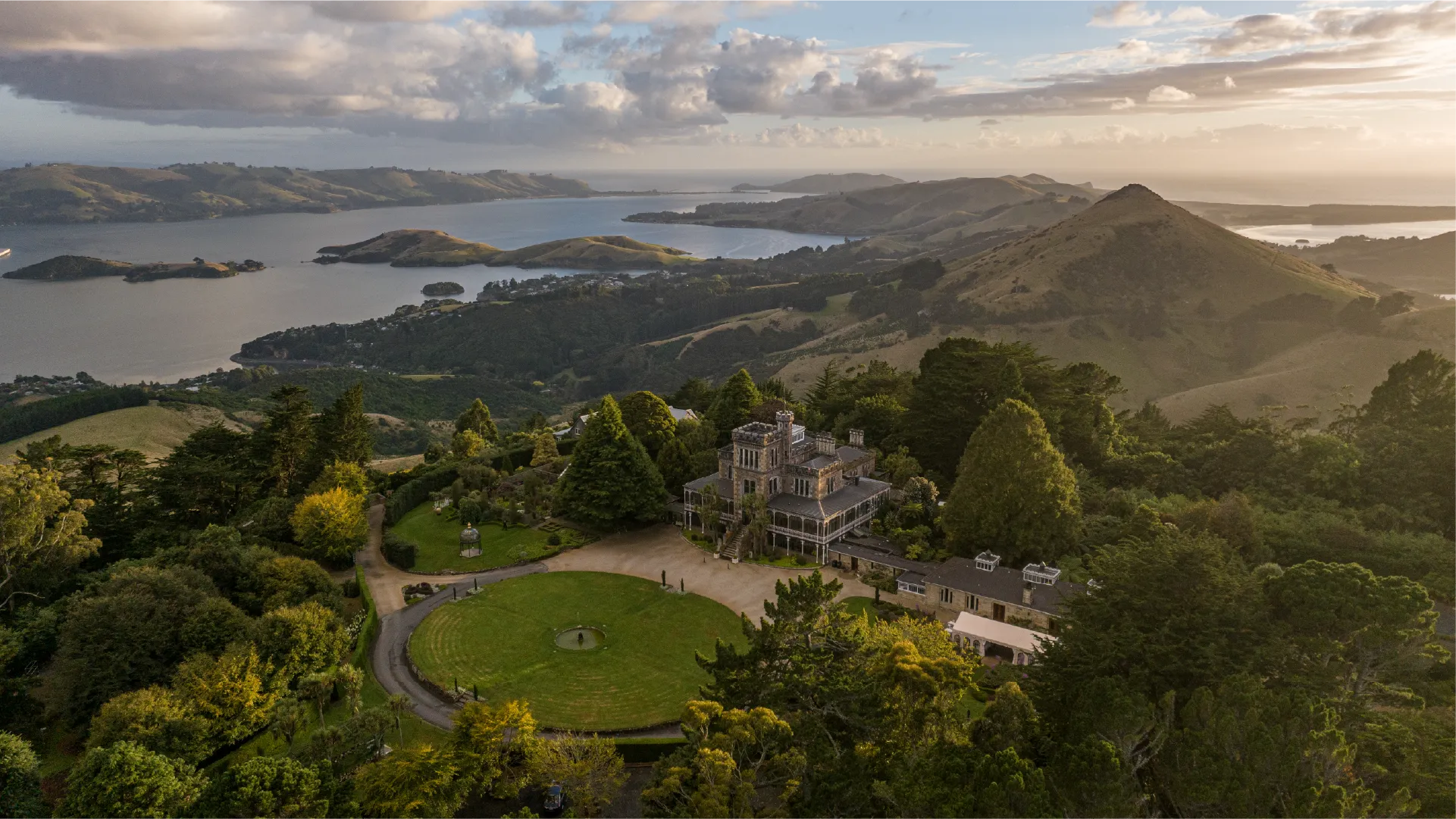
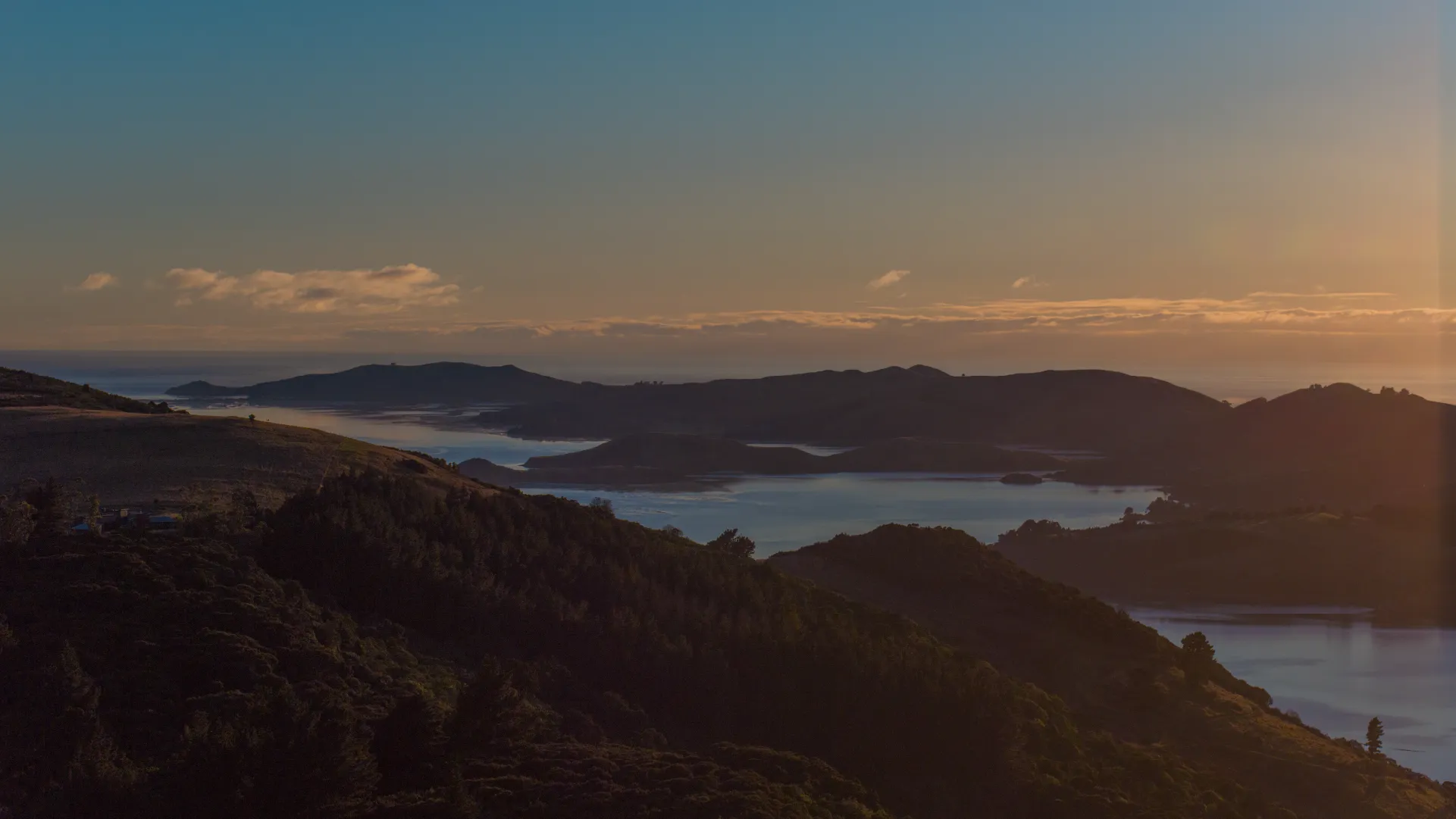
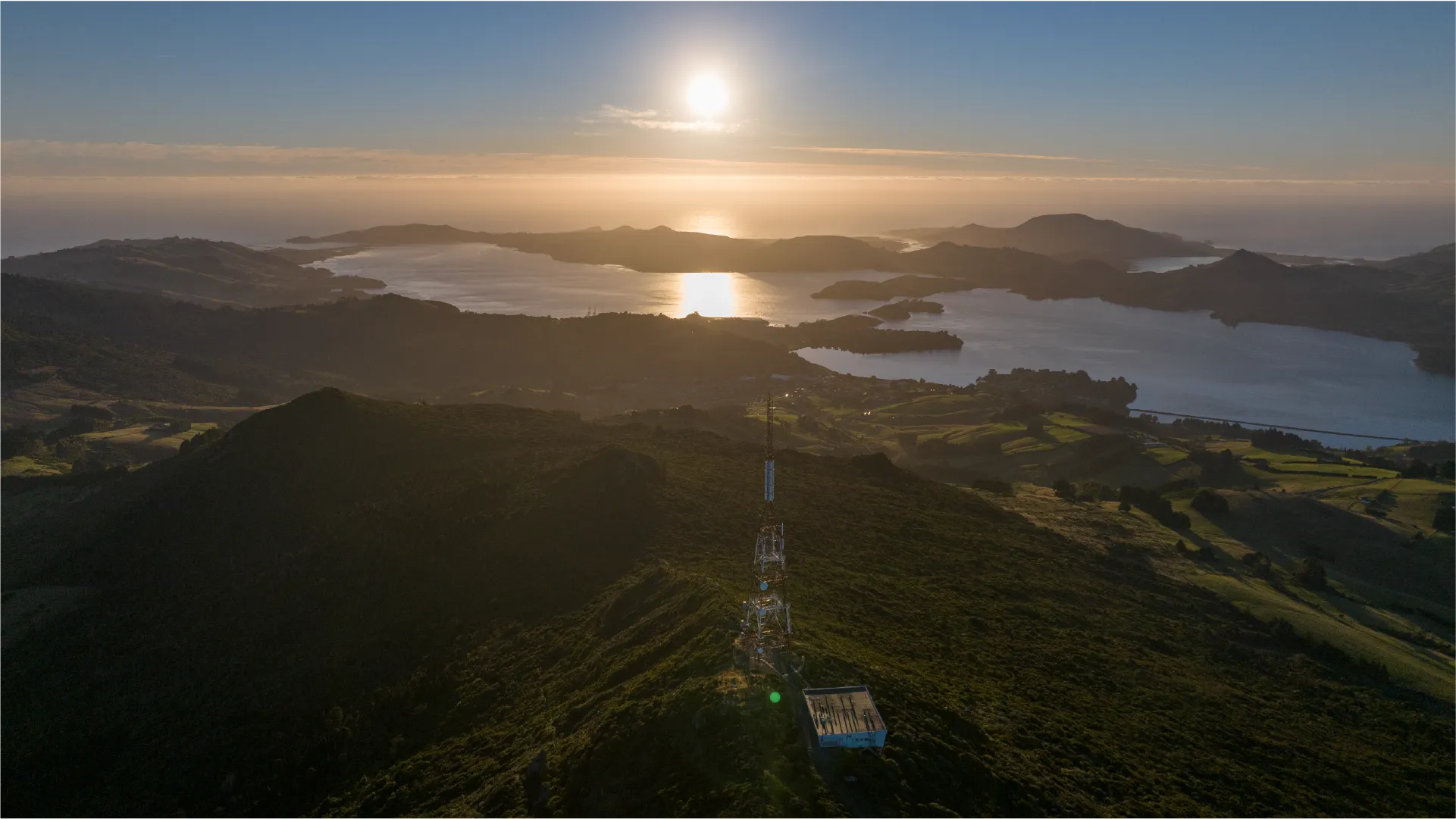
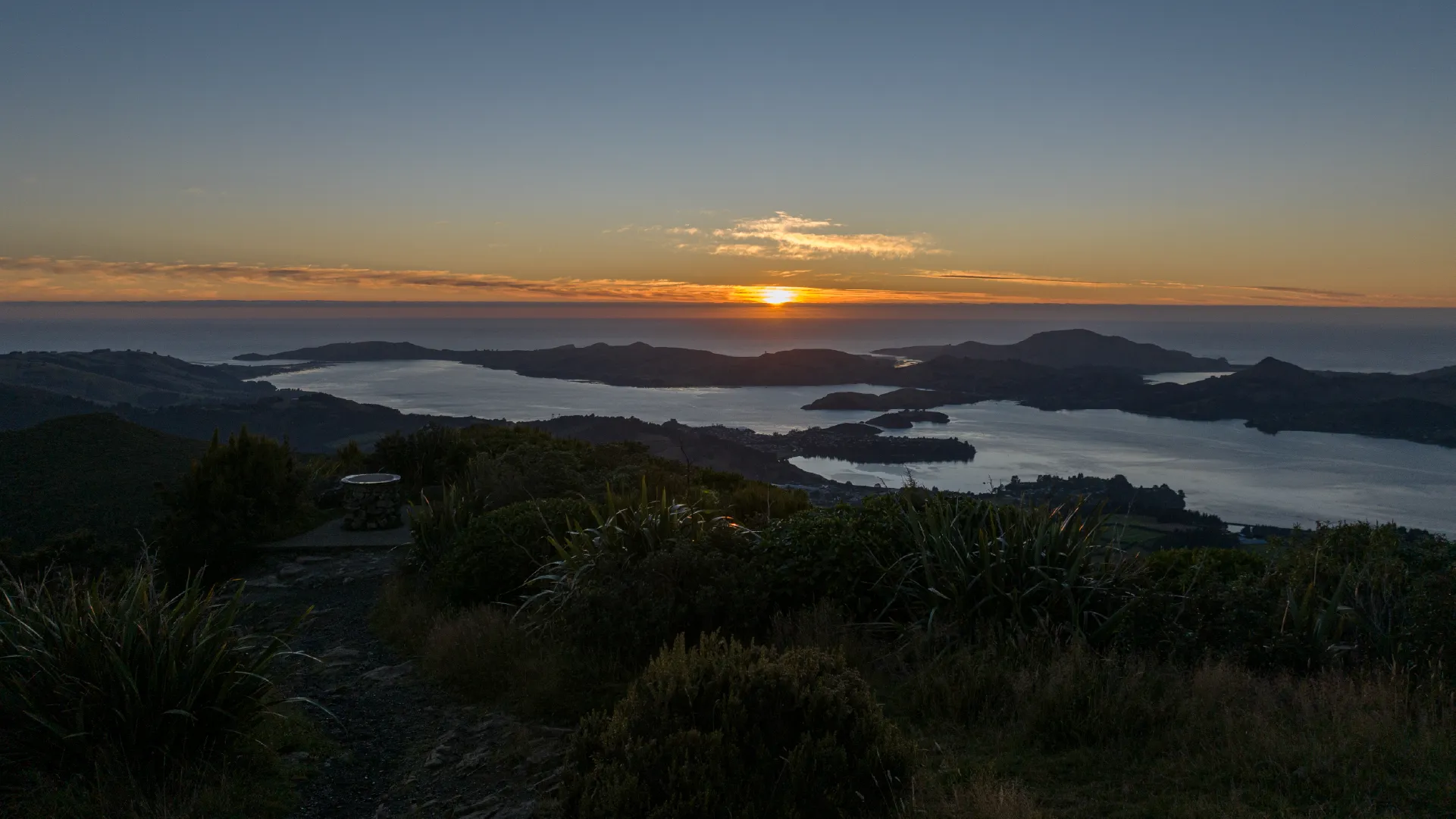
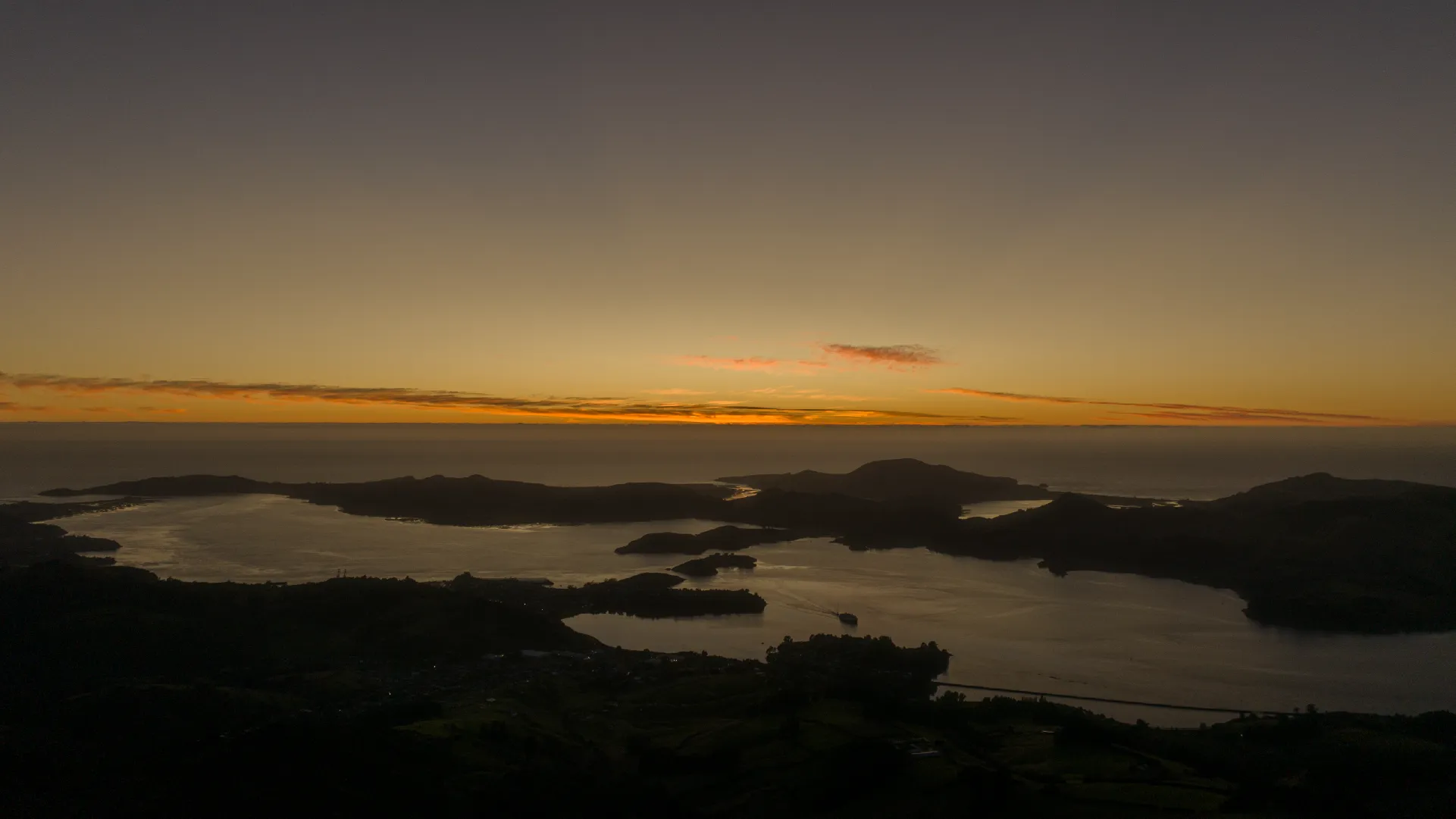
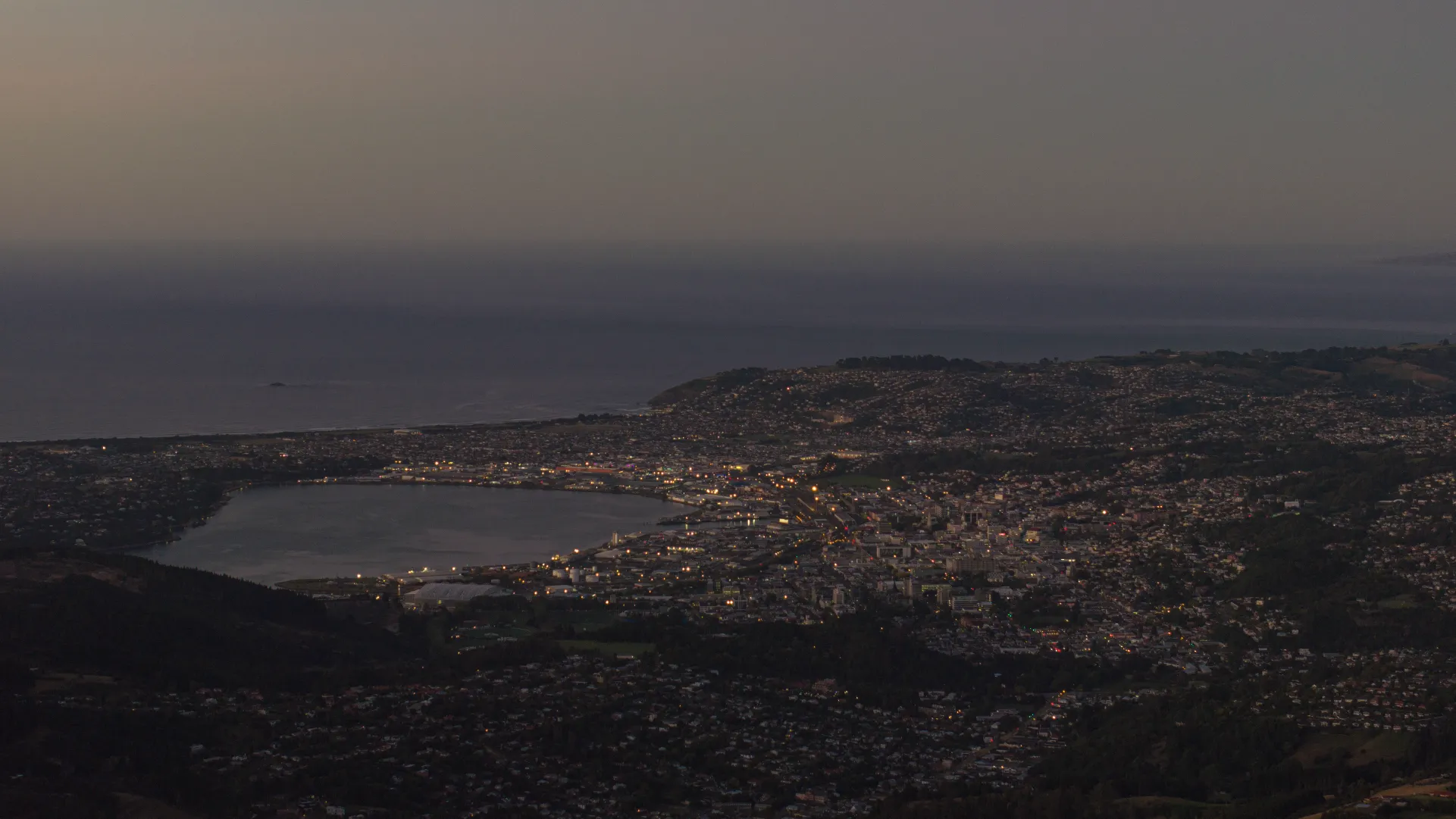
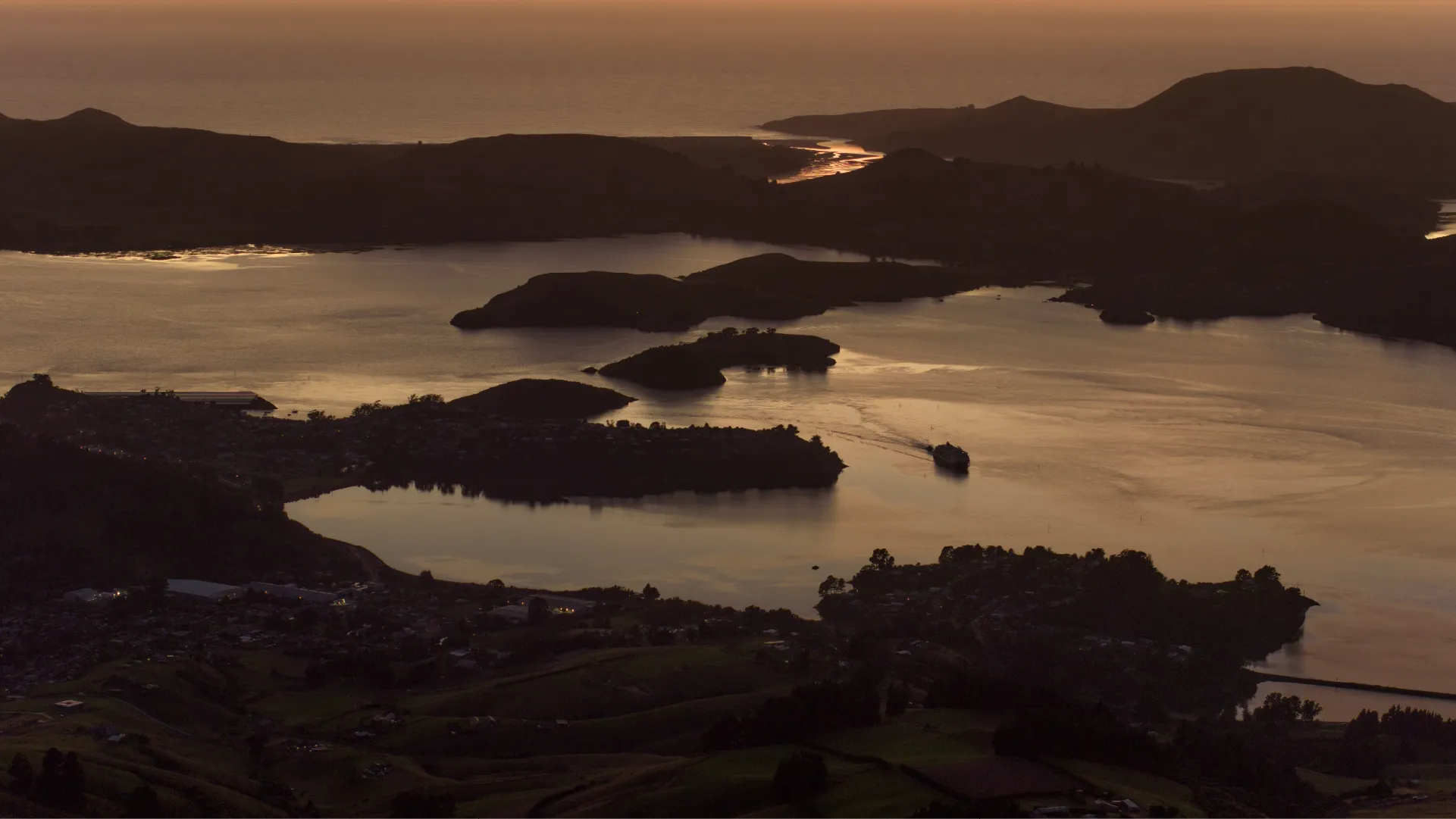
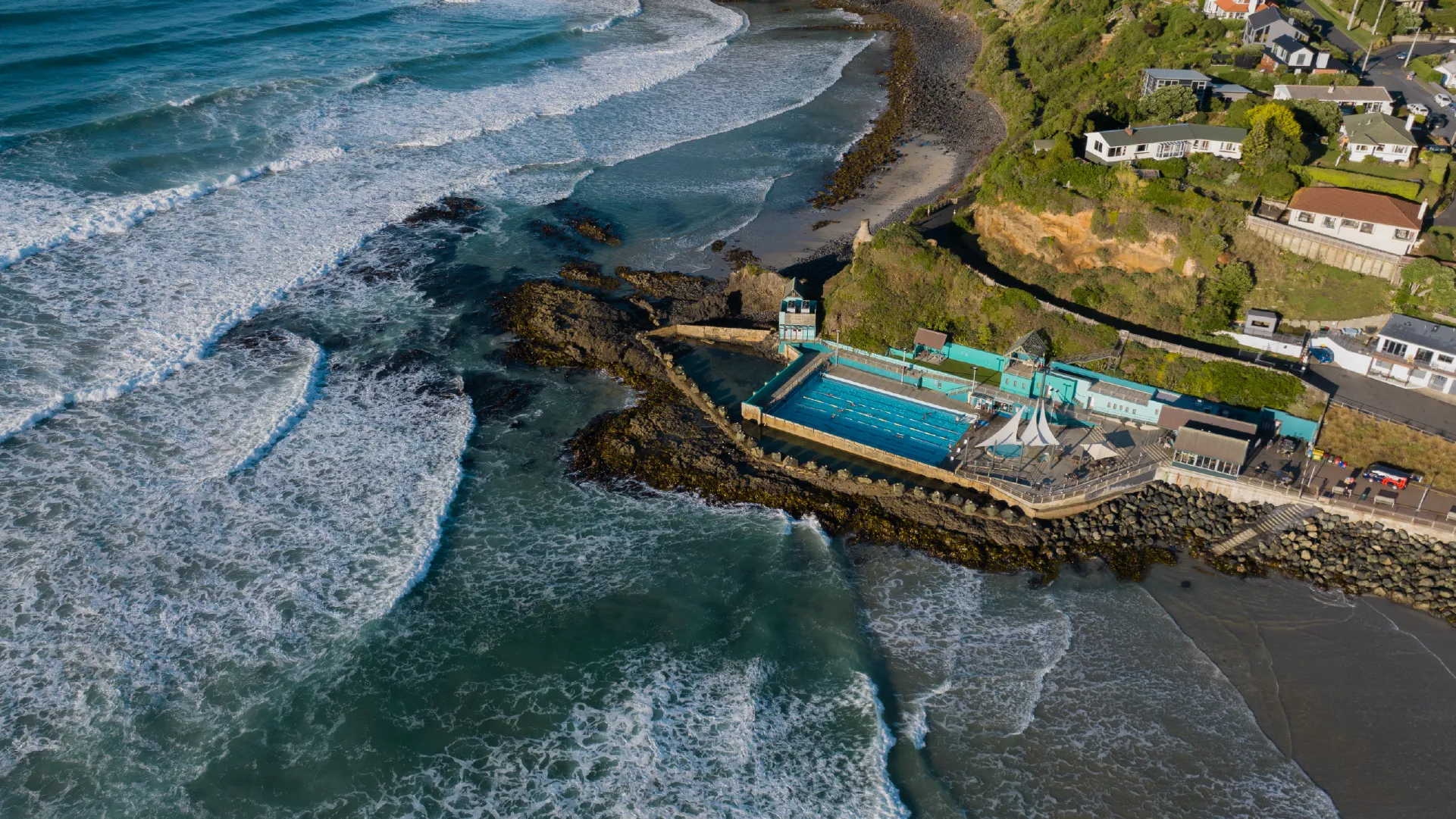
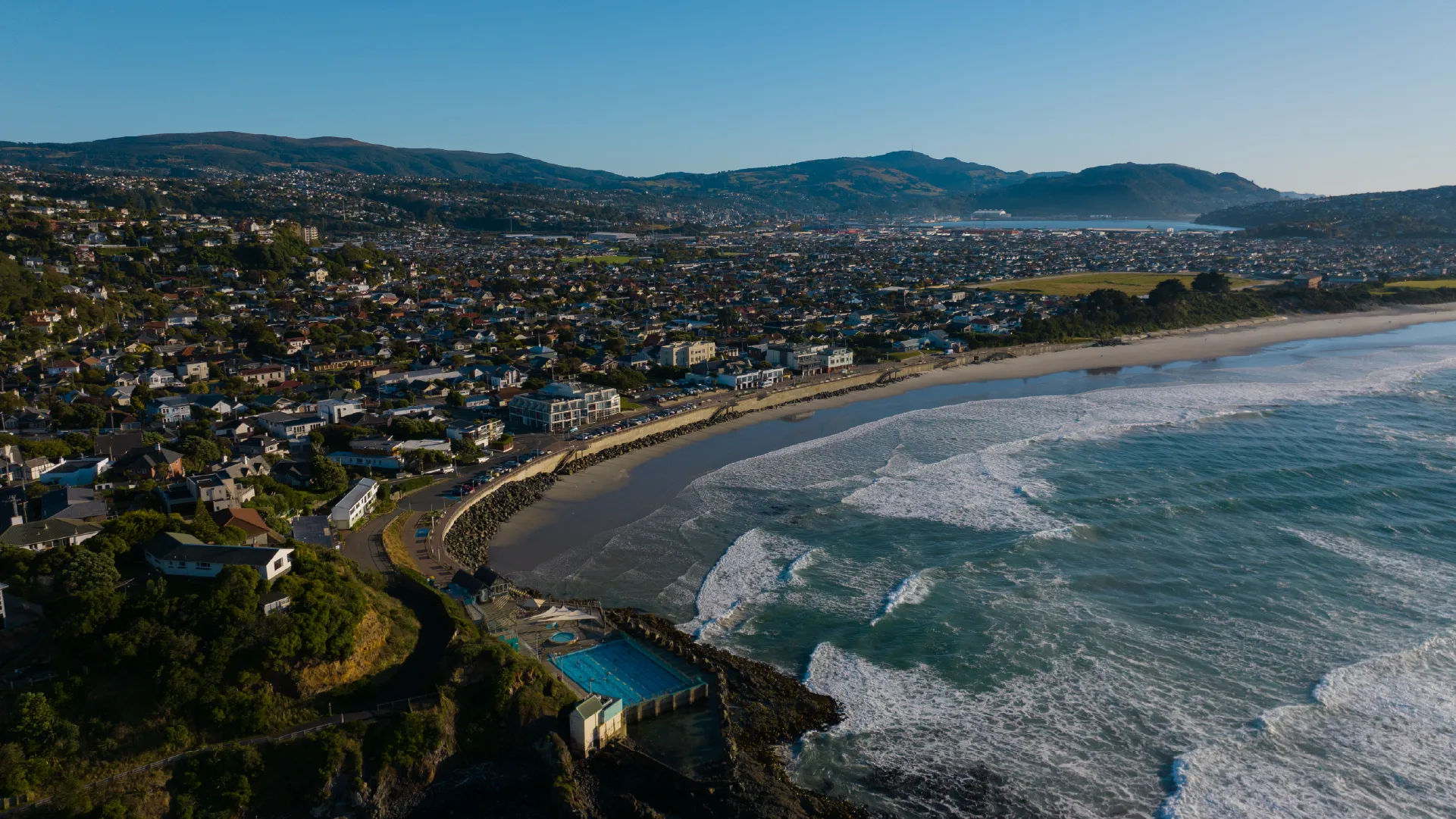
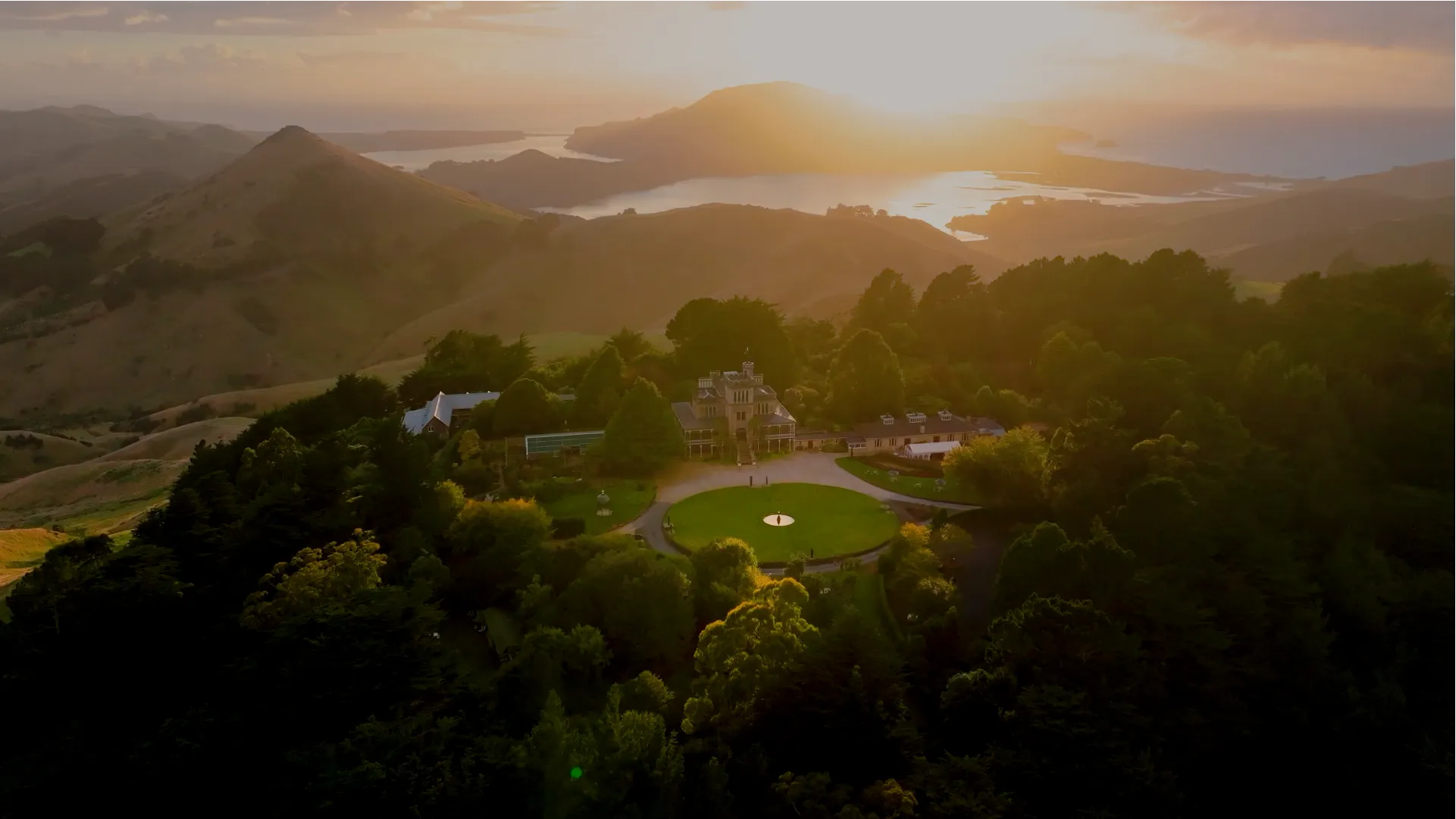
Dunedin is a city that rewards patience. Most of what makes it extraordinary happens slowly: the light that builds over the eastern ranges before it finds the harbour, the mist that sits in the valleys through the first hour of the morning, the warmth that arrives on the stone buildings of the central city before anywhere else in the urban area. None of this is visible from street level at the speed of an ordinary day. To see it, you have to be airborne, and you have to be there early.
This film is the product of a year spent doing exactly that.
Producer Best Apisit Uthakhamkong began gathering aerial footage over Dunedin not with a single project in mind, but with a sustained intention to document the city from above across the full cycle of seasons. Over the course of twelve months, footage was captured at sunrise from multiple locations across the city and its surroundings: Larnach Castle and Gardens on the Otago Peninsula, Mt Cargill and Signal Hill looking back over the urban area, the University of Otago campus along the Water of Leith, Forsyth Barr Stadium and the Dunedin Venues precinct, and dozens of smaller locations discovered in the course of those early morning flights.
What emerged from that year of work was not a single piece of footage but a visual archive: a library of Dunedin at its most luminous, captured in conditions that are genuinely rare to encounter and impossible to schedule.
The quality of Dunedin’s sunrise light is something that is difficult to communicate to anyone who has not experienced it. The city sits at a latitude that gives the early morning sun a low, raking angle as it clears the ranges to the east, producing a quality of light that stretches shadows across every surface and turns the harbour into something closer to hammered copper than water. For a short window, usually no more than thirty or forty minutes, the entire city is illuminated in this way simultaneously: the harbour, the hills, the stone buildings, the green spaces, all in the same warm, directional light.
From the air, the scale of this becomes visible in a way it never is from the ground. The harbour curves inland from the heads in a long natural arc, and as the sun comes up behind the peninsula, the water catches the light from one end to the other in a single moving wave. The hills surrounding the urban area throw long shadows across the lower city that shorten visibly as the sun climbs. Larnach Castle on the high ground of the peninsula catches the light before almost anything else in the frame, standing out against the still-dark landscape below it.
Forsyth Barr Stadium and the surrounding Dunedin Venues precinct photograph dramatically from above at this time of day. The scale of the stadium is most apparent from altitude, and at sunrise the combination of the stadium’s structure and the light creates a visual quality that the same location simply does not have at any other time of day.
The University of Otago campus is perhaps the most rewarding aerial subject in Dunedin at sunrise. The heritage stone buildings along the Water of Leith, the Clock Tower, the older faculty buildings that ring the central precinct: all of them catch the early light in a way that makes their age and character more visible, not less. From above, the relationship between the university buildings, the river, and the surrounding streets is immediately clear in a way that it is not when you are moving through it on foot.
The technical approach to this body of work required consistency across a full year of varied conditions. Drone operations at sunrise present particular challenges: the light is changing rapidly, wind conditions are often unstable in the early morning as the land heats and air begins to move, and the combination of very bright sky and dark foreground creates exposure challenges that require careful management in both shooting and post-production.
Each flight was planned in advance, with flight paths identified and permissions confirmed before arrival. Footage was captured in the highest available resolution and colour depth, giving the maximum flexibility in post-production for grading to match the visual quality of the location and conditions. The grade applied to the final film was designed to be faithful to the actual character of Dunedin light rather than to enhance or dramatise it: the city is remarkable enough that honest representation is more interesting than any manufactured version.
What this film demonstrates, beyond the beauty of the individual locations it captures, is the value of sustained, patient, long-term production practice. A single drone flight over Dunedin on a good morning would produce strong footage. A year of flights, across all seasons, in varying conditions, builds something qualitatively different: a genuine understanding of how the city looks and feels from the air across the full range of its visual character.
For POV, this archive is the foundation of every visual production we undertake in and about Dunedin. When a client needs footage of the city for a campaign, a documentary, or a brand film, this library is where that footage comes from. It gives our Dunedin productions a visual depth and consistency that would be impossible to achieve by commissioning individual shoots for individual briefs.
Every flight is a reminder of how fortunate we are to work in a place this extraordinary. Dunedin from above, at first light, is one of the most beautiful things in New Zealand. This film is our attempt to show that to the rest of the world.
Producer
Best Apisit Uthakhamkong
Disciplines
Aerial Cinematography
Video Production